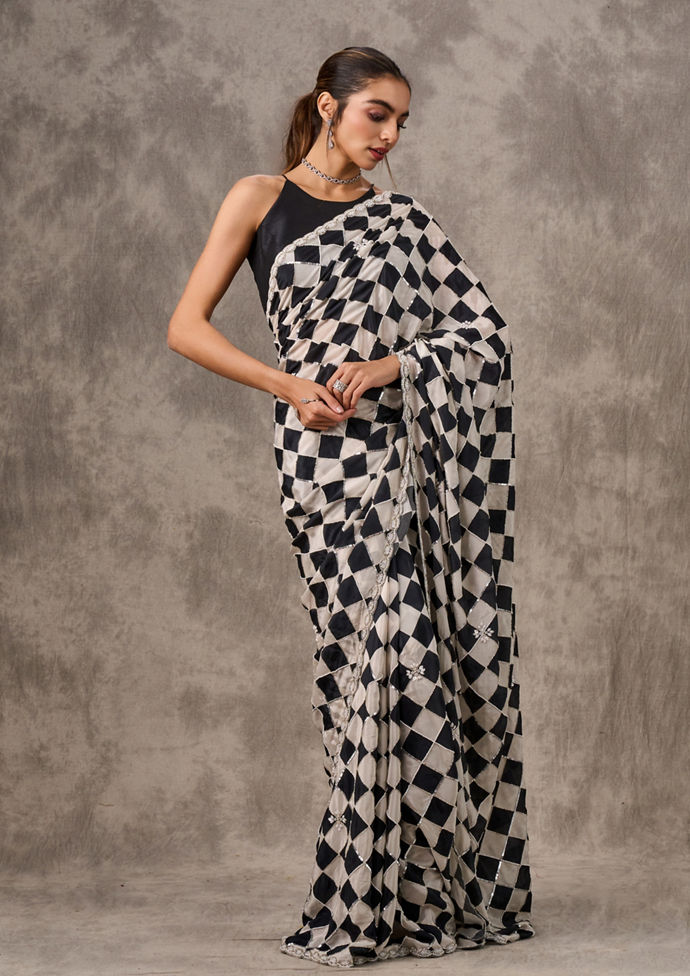
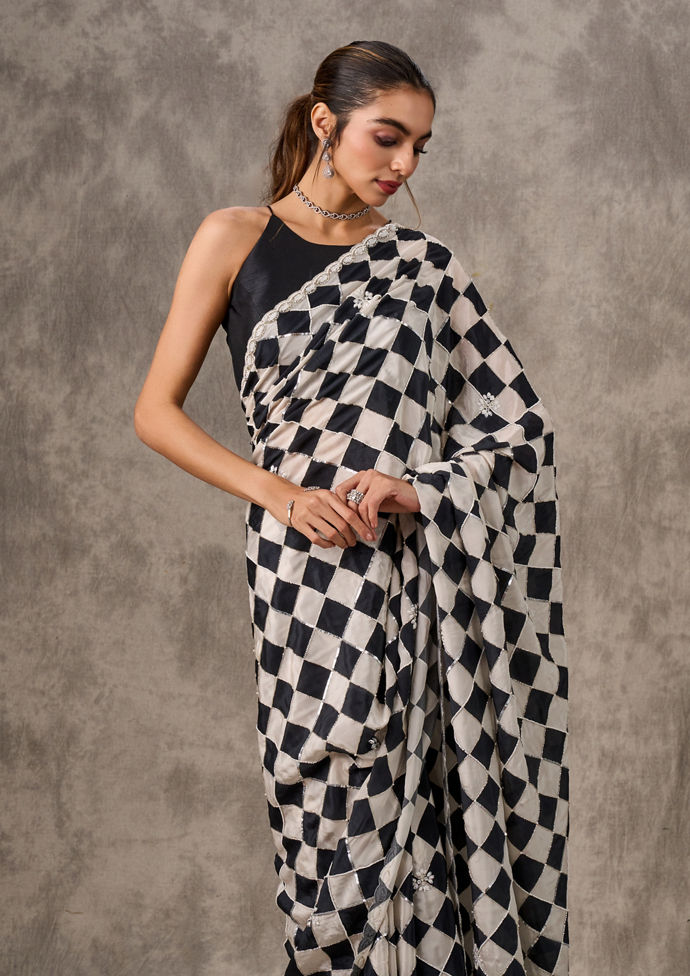
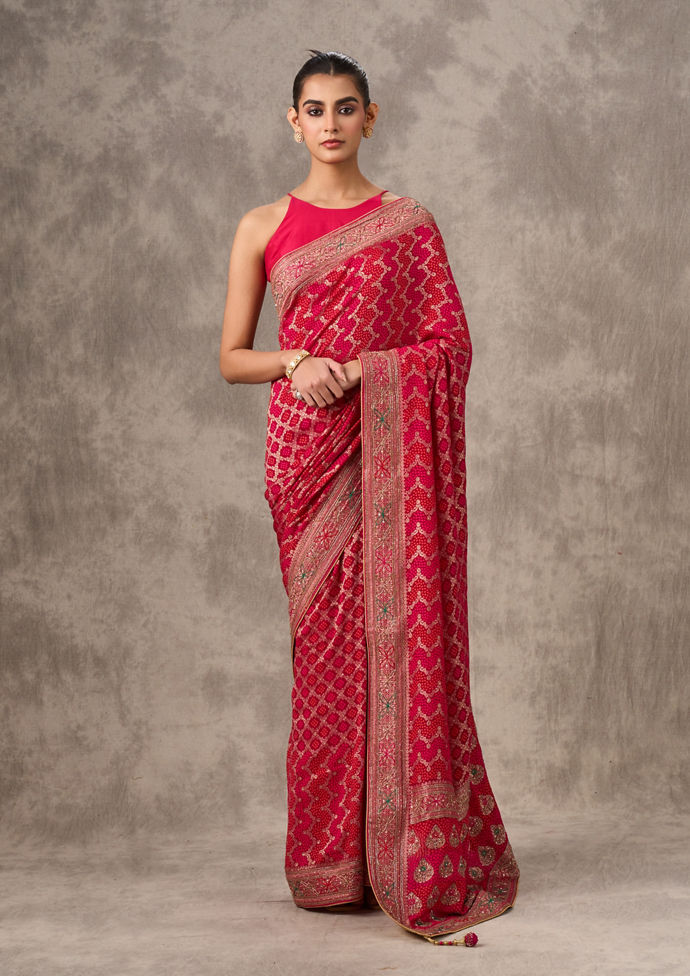
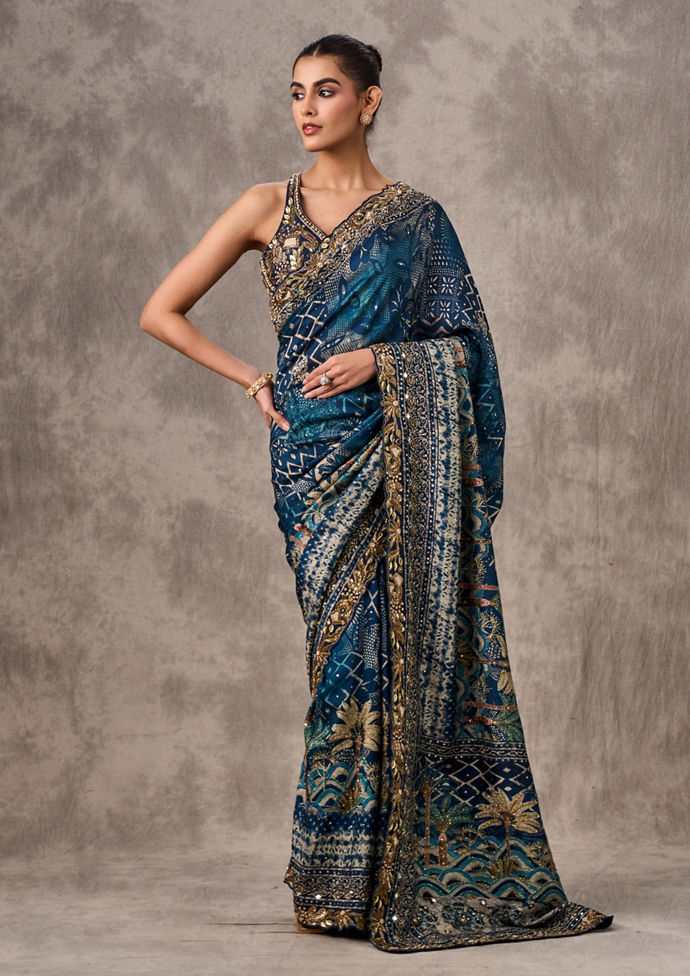
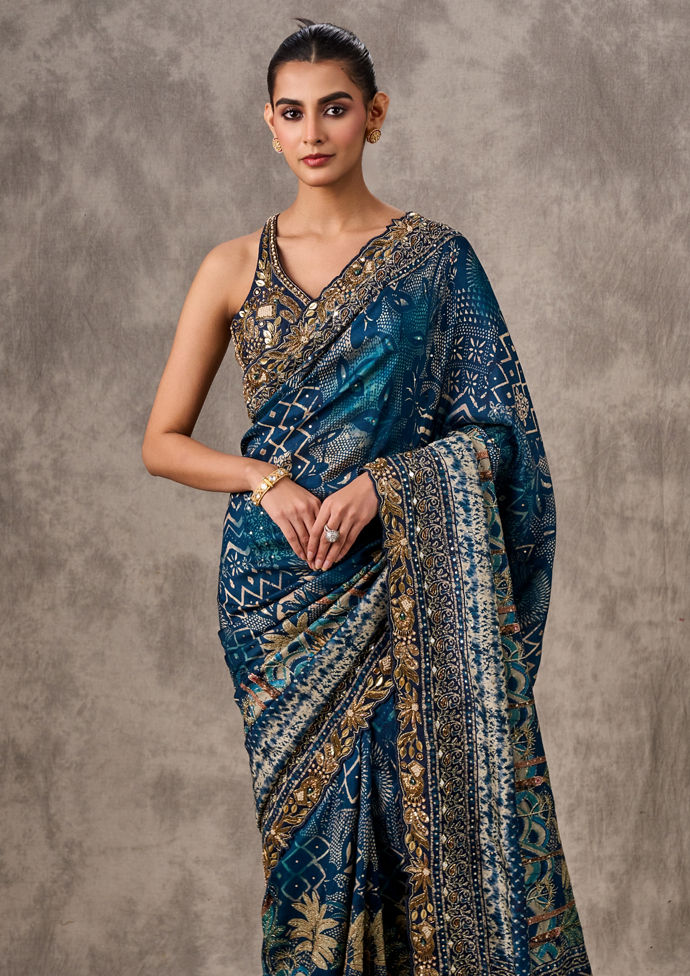
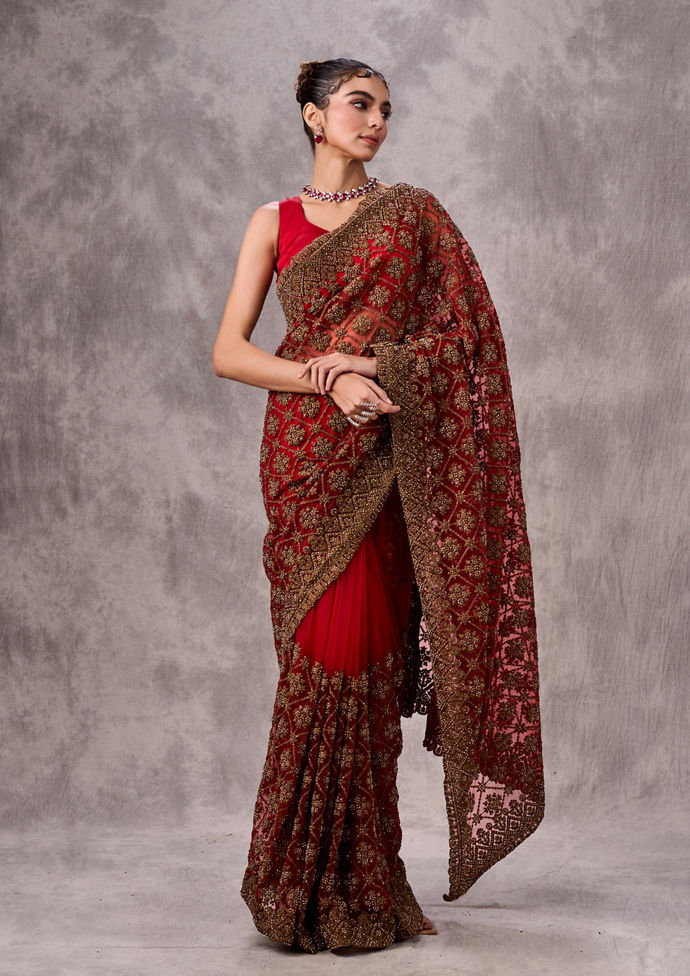
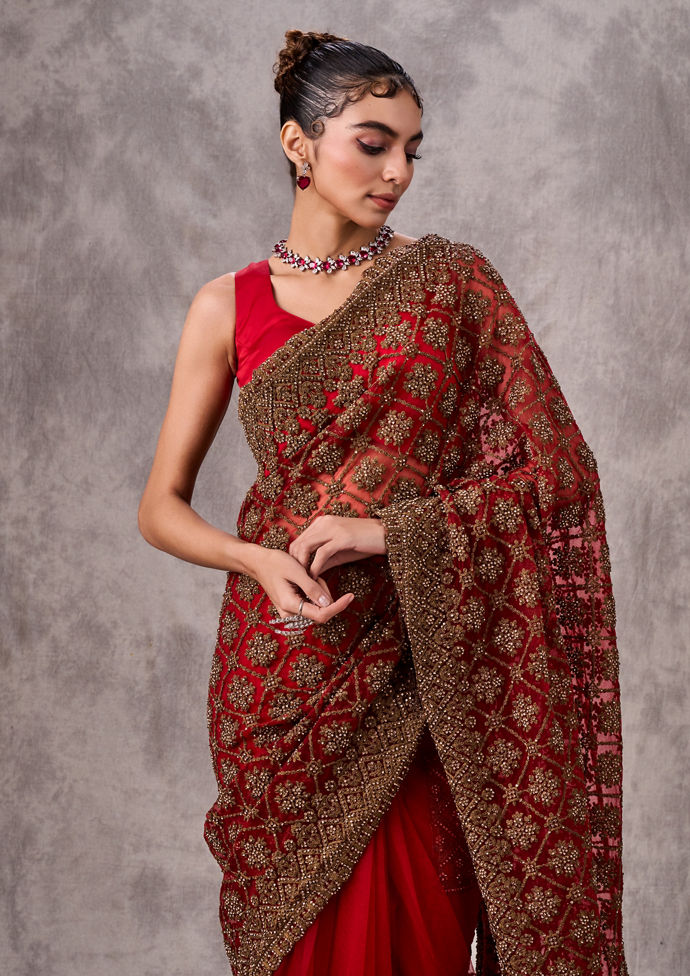
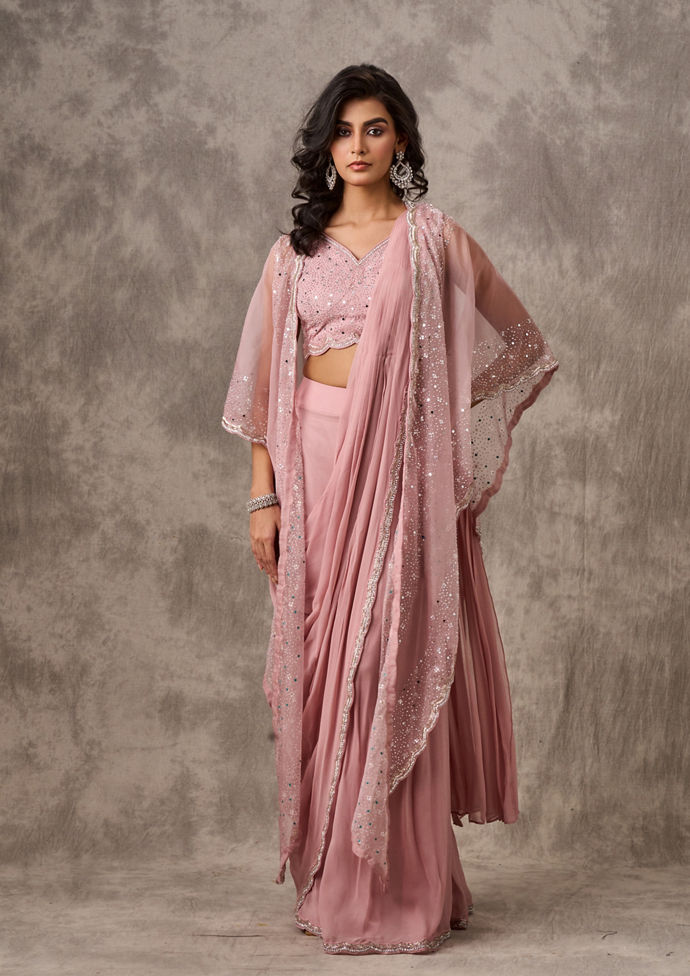
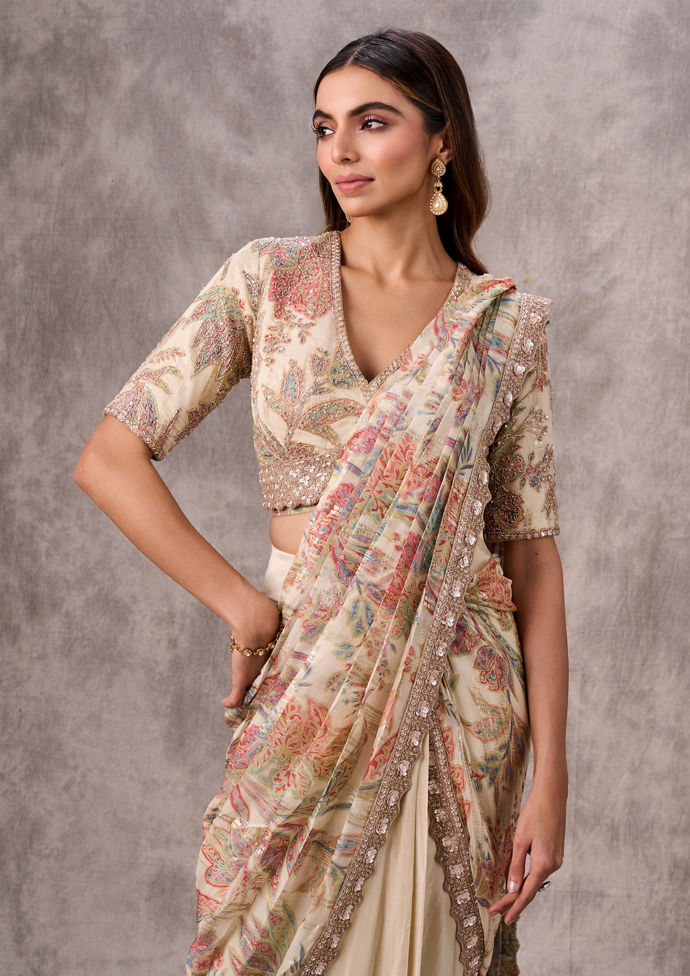
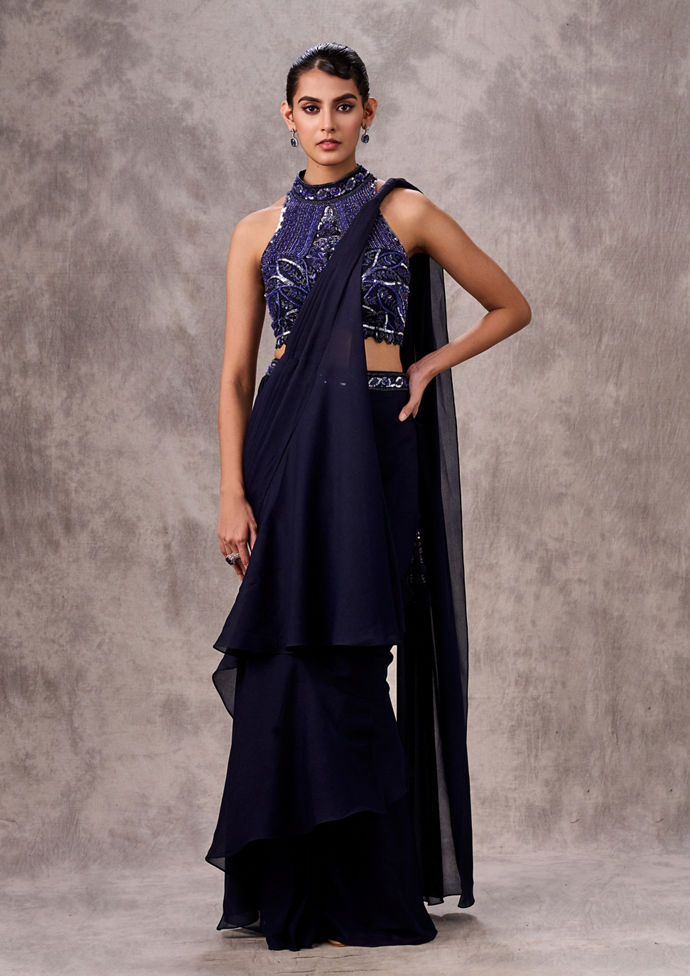
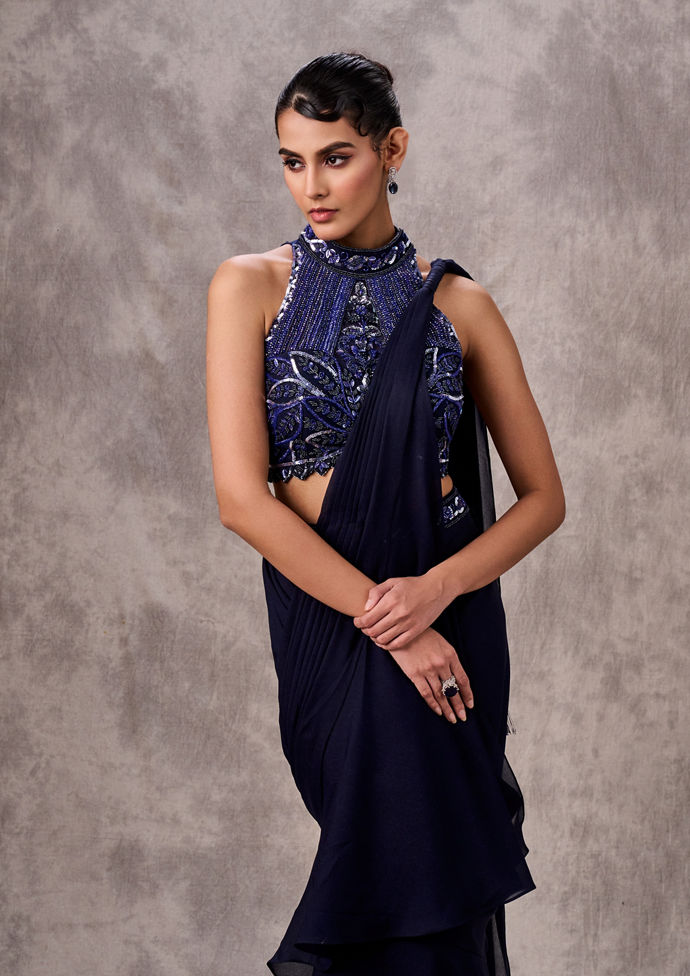
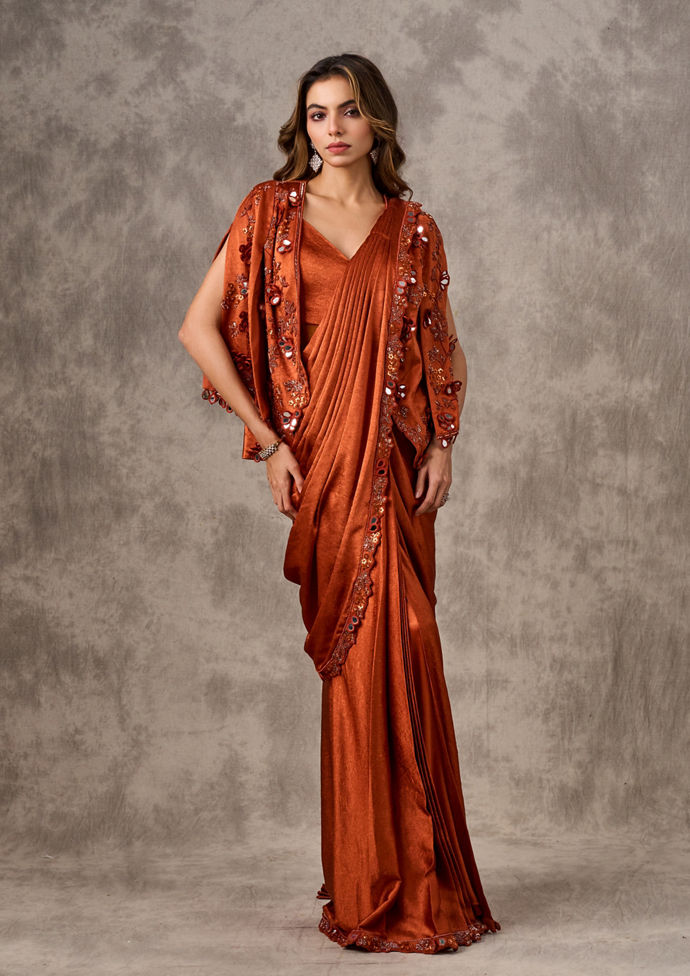
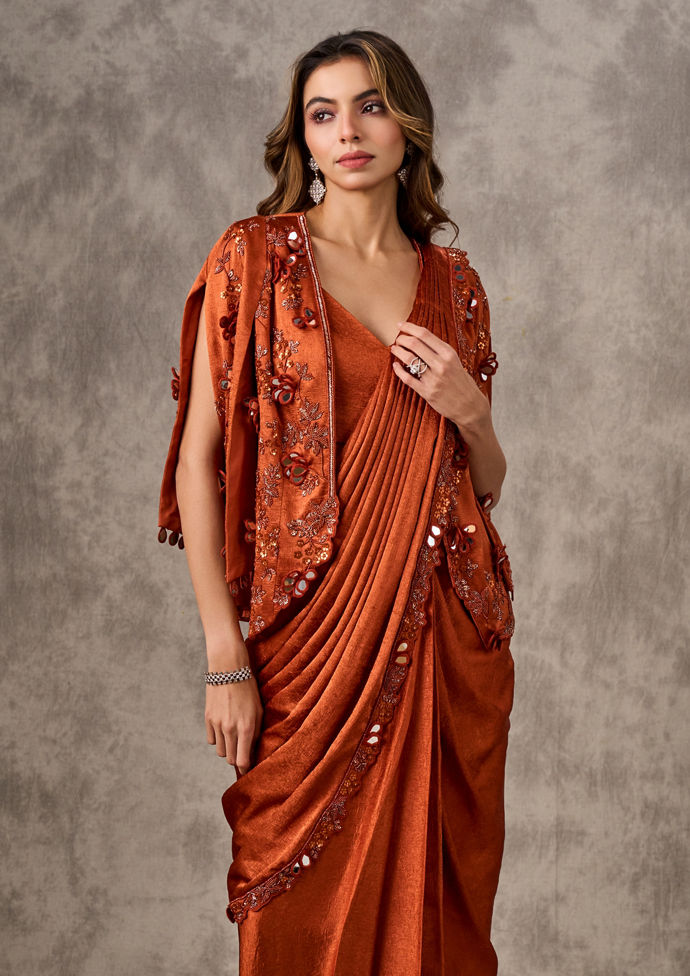
The saree, as Twamev sees it
A saree is not just a garment. It's a decision — to show up in something that has weight, history, and beauty all at once. At Twamev, the saree collection is built around that understanding: pieces that feel worthy of the moment you're dressing for, with craft and fabric choices that hold up to every kind of light, setting, and occasion.
The women who reach for a Twamev sari are not looking for something generic. They want a designer saree that feels personal — one where the weave, the border, the fall, and the finish all say something specific. That's the intention behind every piece in this collection.
What the saree collection looks like
Twamev's sarees span a considered range of fabrics, silhouettes, and design directions. You'll find:
-
Silk sarees with the kind of substantial hand-feel that holds its shape through ceremonies and still photographs beautifully in close-up shots.
-
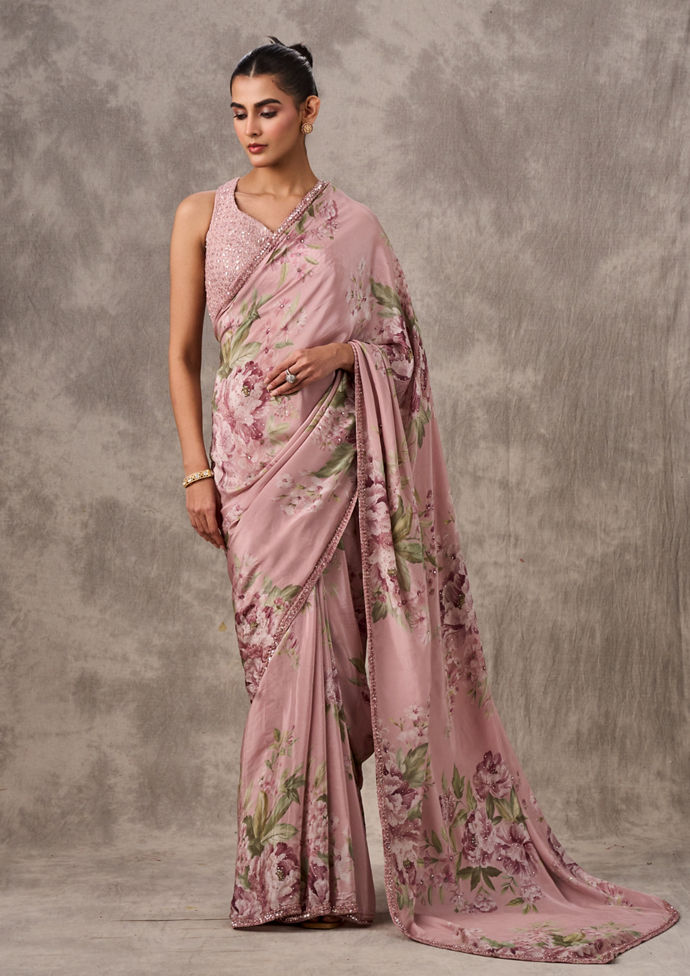
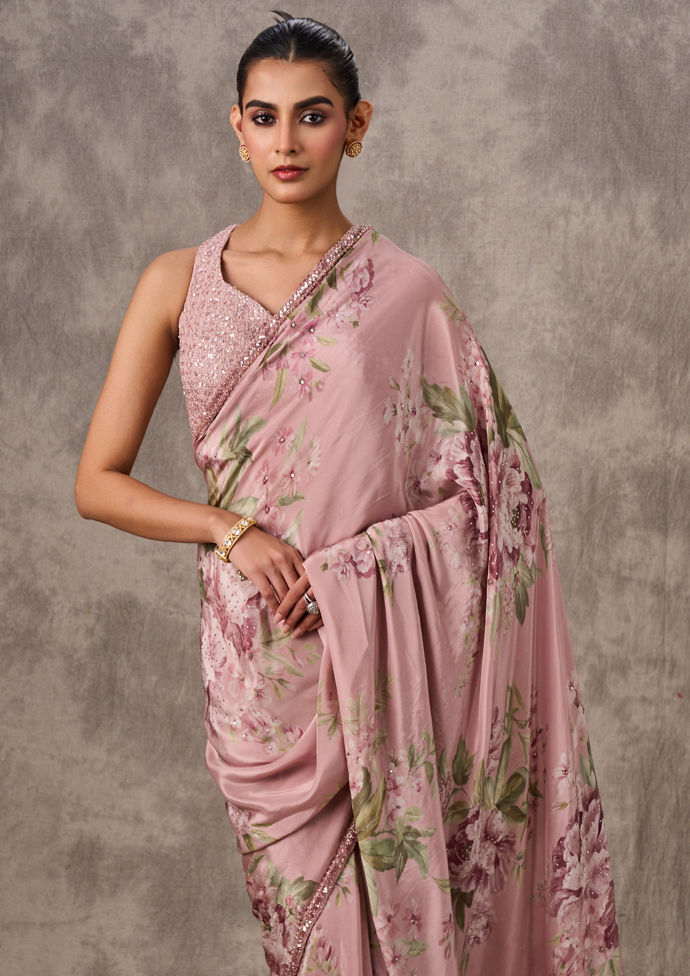
Georgette sarees that move fluidly — ideal for reception evenings, sangeet stages, and cocktail functions where you want something that travels well with you.
-
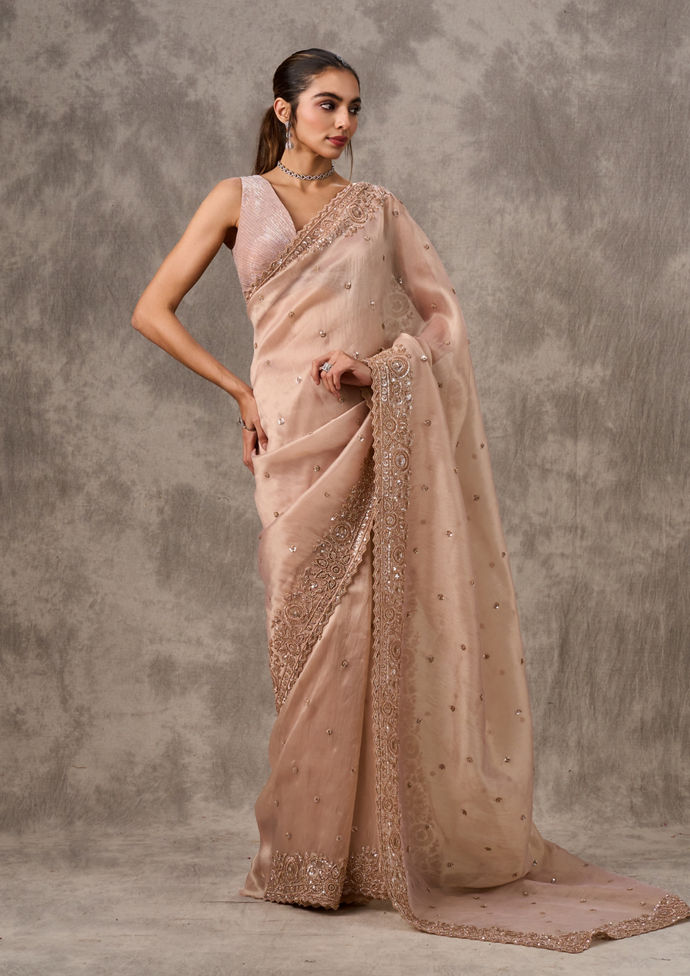
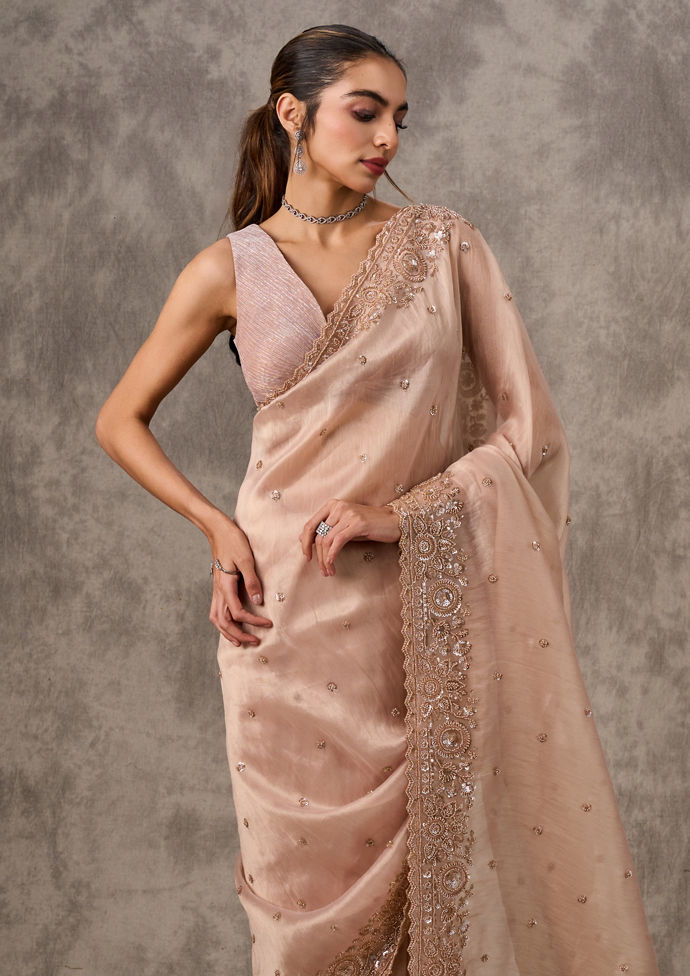
Tissue sarees with zari woven borders that catch light differently as you move, adding quiet drama without heavy embellishment.
-
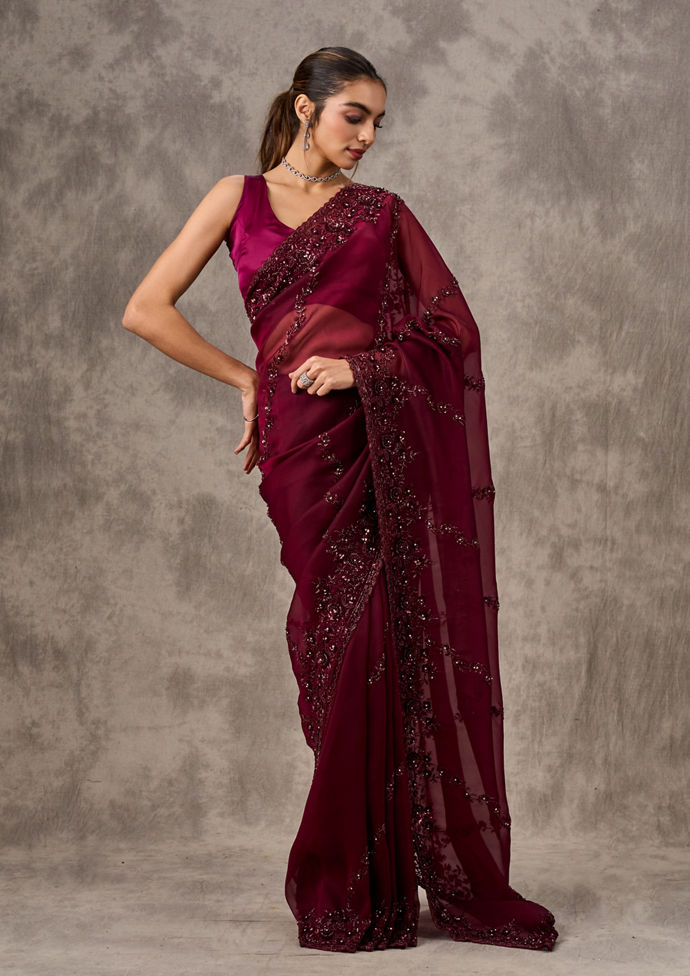
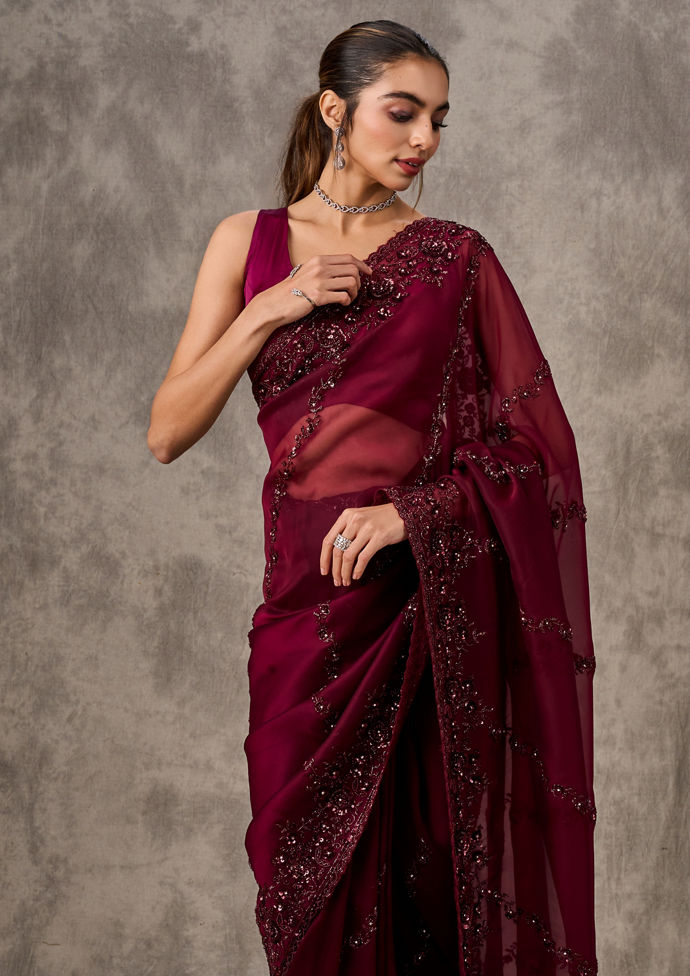
Net sarees with delicate surface work — sequins, cutdana, or mirror embroidery — for women who want their outfit to do a little more talking.
-
Organza sarees in soft, structured drapes are perfect for daytime weddings and festive functions.
Prices in this online saree collection range from ₹11,999 to ₹49,999, reflecting the quality of materials and the craftsmanship invested in each piece. Every price point here still represents a considered, artisan-made garment — not a fast-fashion equivalent.
Fabrics that define this designer saree collection
Fabric is where a Twamev designer saree earns its place. The brand works with textiles that have character — silks from regional weaving traditions, georgettes that drape like water, tissues that hold zari without stiffening. These are not background fabrics; they're the story.
A few key fabric stories:
-
Silk — Used in structured, ceremony-appropriate styles. Rich enough to stand alone, versatile enough to carry embroidery without looking cluttered.
-
Georgette — Lighter, more fluid. Best for evening events, open-air functions, and any occasion where you'll be moving, dancing, or standing under soft lighting.
-
Tissue — Known for its semi-sheer quality and natural luminosity. Tissue sarees with zari borders are particularly strong for daytime weddings and morning ceremonies.
-
Net — Chosen for occasion-specific pieces with embroidery and surface work. Adds dimension and visual interest while keeping the overall weight manageable.
-
Organza — A structured, slightly stiff weave that holds its silhouette. Popular for weddings where you want the drape to stay sharp through the day.
Ready-to-wear sarees for modern women
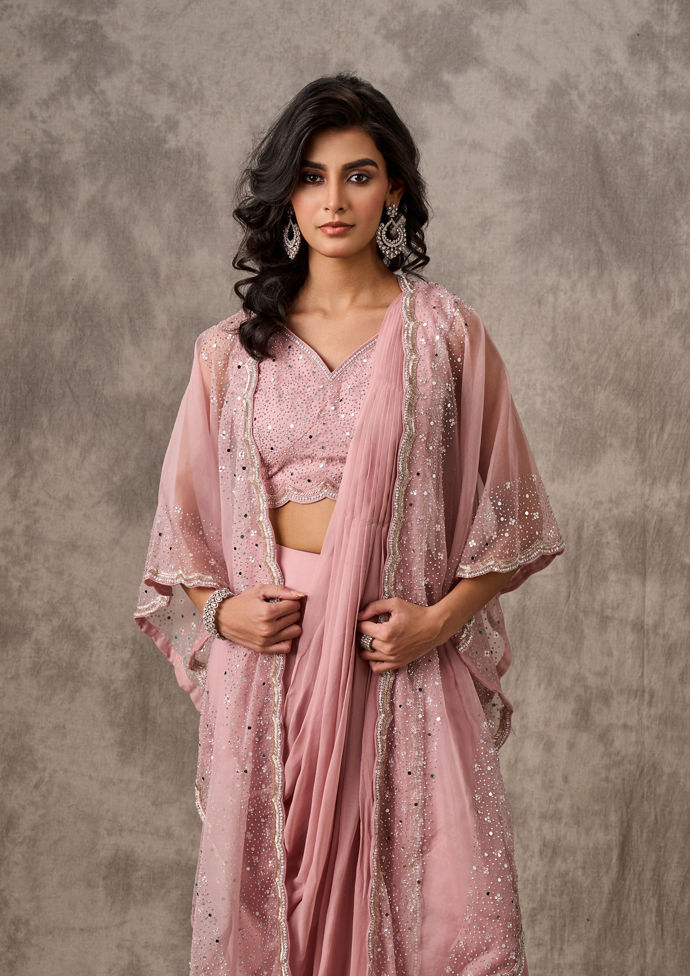
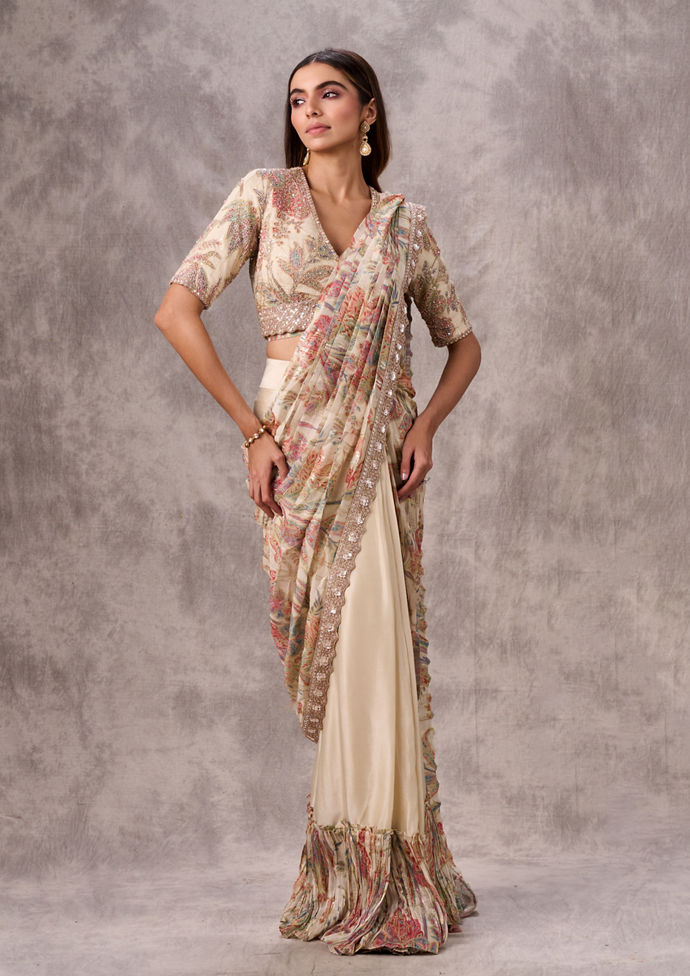
One of Twamev's most thoughtful additions to its women saree collection is the ready-to-wear or pre-draped saree format. These are sarees stitched and shaped so that you can wear them without needing professional draping skills — and without compromising on elegance.
For women who love the look of a sari but find the draping process stressful before an event, this format is a genuine solution. The pleats are set, the pallu is positioned, and all you have to do is step in and fasten. Sizes run from Free Size to XL, with cuts designed to complement rather than constrain different body types.
This is not a compromise product — it is a well-considered one. The same fabrics, the same embroidery, the same finish — just delivered in a format that respects your time and confidence.
Where do these sarees for women belong
Twamev's sarees are primarily occasion wear — designed with celebration in mind. But "occasion" here covers a wide range:
-
Weddings: The main ceremony, pheras, and wedding morning rituals, where a silk or tissue sari with a rich border feels appropriate and respectful of the moment.
-
Reception evenings: Georgette and net designer sarees with sequined or embroidered work photograph beautifully under evening lights and feel right for a formal yet festive atmosphere.
-
Sangeet and mehendi: Lighter fabrics in vibrant colors — think deep purples, rich reds, bandhani-patterned georgettes — where the sari feels celebratory without being too formal.
-
Festive occasions: Diwali dinners, Navratri evenings, or special home poojas where you want to dress intentionally, and the occasion calls for something more considered than everyday wear.
-
Milestone family events: Anniversaries, naming ceremonies, grihapravesh — functions where a woman wants to mark the day with the right outfit and the right fabric.
Styling a Twamev saree
The way you wear a Twamev designer saree can considerably shift its mood.
-
For weddings and formal ceremonies:
-
Choose structured fabrics — silk, tissue, or organza — and pair with a close-fitted or embroidered blouse.
-
Keep jewelry to a minimum: a strong necklace or statement earrings, not both at maximum volume.
-
Opt for heels or block-heeled sandals that allow comfortable movement through long rituals.
-
For reception or cocktail evenings:
-
Lean into georgette or net sarees with sequin or mirror work, paired with a sleek blouse — deep V, halter, or off-shoulder, depending on your comfort.
-
Keep hair up so the pallu and back blouse design stay visible.
-
Minimal but high-quality accessories — a cuff, a ring, or layered chains work better than heavy traditional sets.
-
For festive or daytime functions:
-
Tissue or organza sarees with zari borders in warm tones — gold, amber, rust — feel perfect for morning to afternoon events.
-
A simpler blouse, a bindi, and flat or low-heeled footwear make the look complete without feeling overdressed.
-
On pre-draped styles:
-
Style them exactly as you would a traditionally draped sari — blouse, jewelry, and footwear.
-
The advantage is that you can focus on accessorizing more intentionally rather than managing pleats and pins.
FAQs:
1. What fabrics are available in Twamev's saree collection?
The collection includes silk, georgette, tissue, net, and organza sarees, each chosen for specific occasions and drape qualities. Silk and tissue work beautifully for ceremonies; georgette and net are better suited for evening and reception settings.
2. Are Twamev's sarees comfortable to wear for long functions?
Yes. Fabrics are selected for both their visual quality and wearability — georgette and organza in particular stay light and manageable through long events. The ready-to-wear format also removes the physical effort of traditional draping, making it easier to stay comfortable across a full day of celebrations.
3. What is a ready-to-wear or pre-draped saree?
A ready-to-wear saree is pre-stitched and pre-pleated, so it can be worn without draping skills. You step in, fasten, and you're done. Twamev's pre-draped styles use the same fabrics and finish as traditionally draped pieces — the format is different, but the elegance is not.
4. What occasions are Twamev designer sarees best suited for?
Twamev sarees are designed for weddings, receptions, sangeet and mehendi functions, festive evenings, and significant family celebrations. The range covers both the ceremonial weight of a silk saree and the lighter, more fluid options for evening occasions.
5. What is the price range for sarees for women at Twamev?
The saree collection is priced between ₹11,999 and ₹49,999, reflecting the quality of textiles, embroidery, and craftsmanship in each piece. Both ends of the range represent carefully made, occasion-appropriate garments.
6. How do I choose the right saree for a wedding?
For the main ceremony, a silk or tissue saree with a structured border and moderate embellishment is a strong choice. For receptions or evening functions, a georgette or net designer saree with sequins or surface-work photographs, well-lit. Match your fabric choice to the time of day and your comfort with weight and drape.
People Also Search
Green Lehenga | Floral Lehenga | Grey Lehenga | Wine Lehenga | Cream Lehenga | White Lehenga