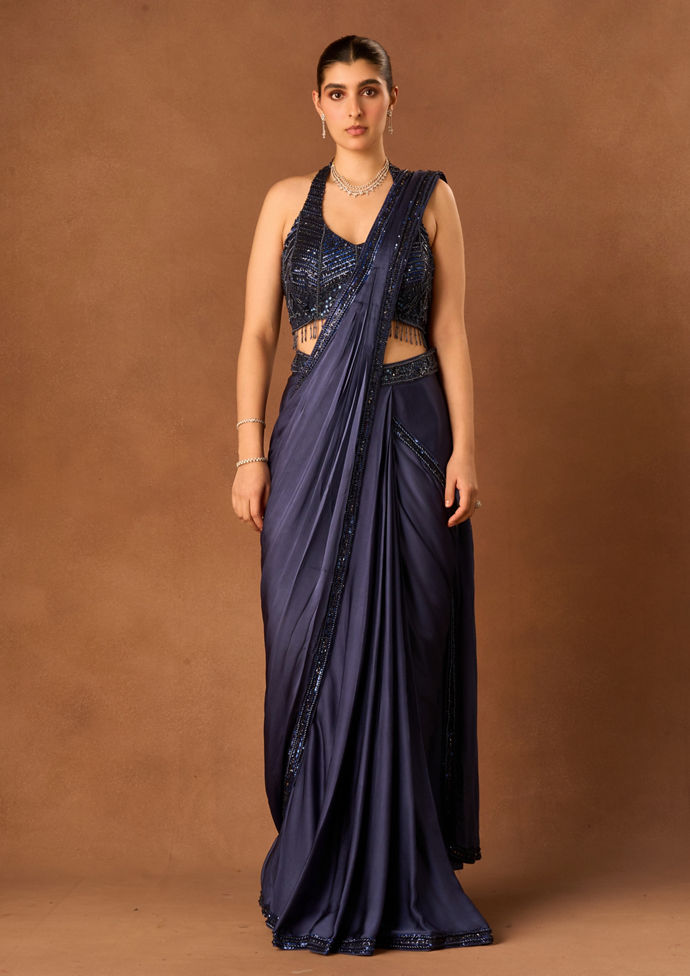
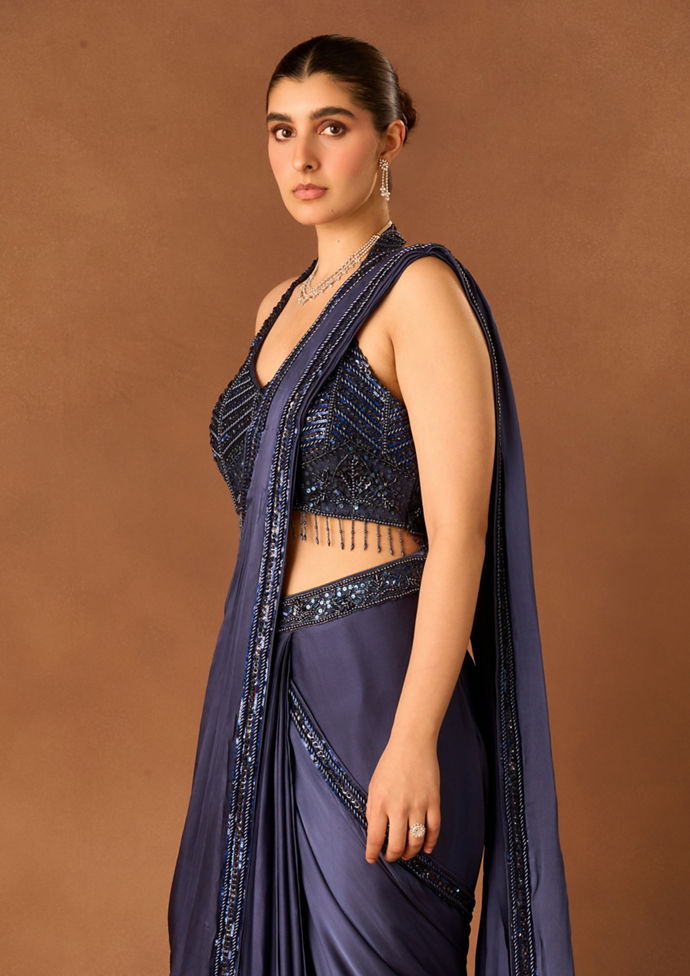
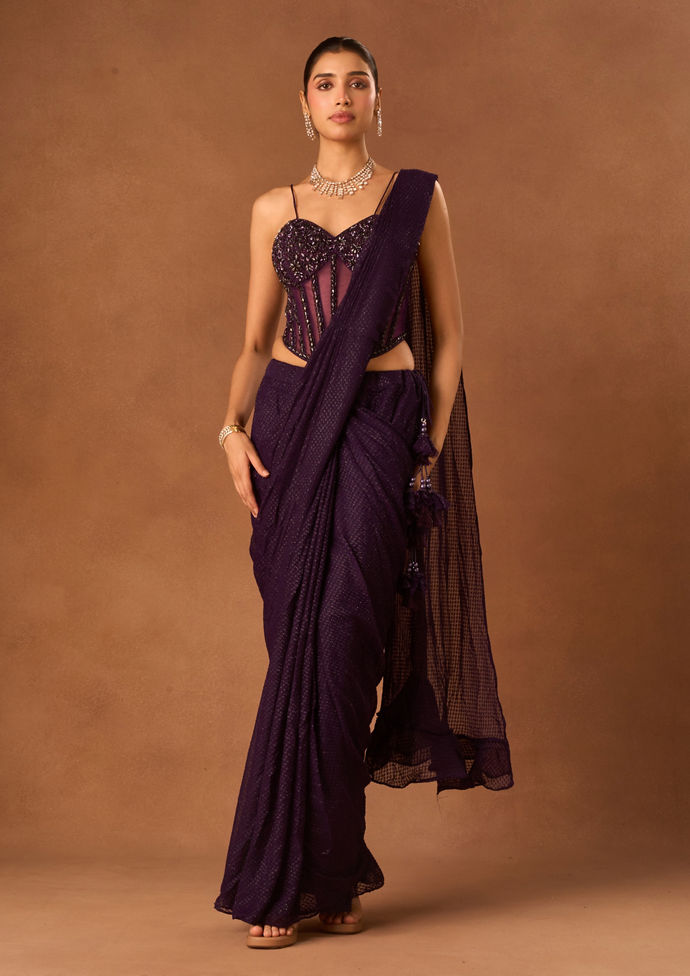
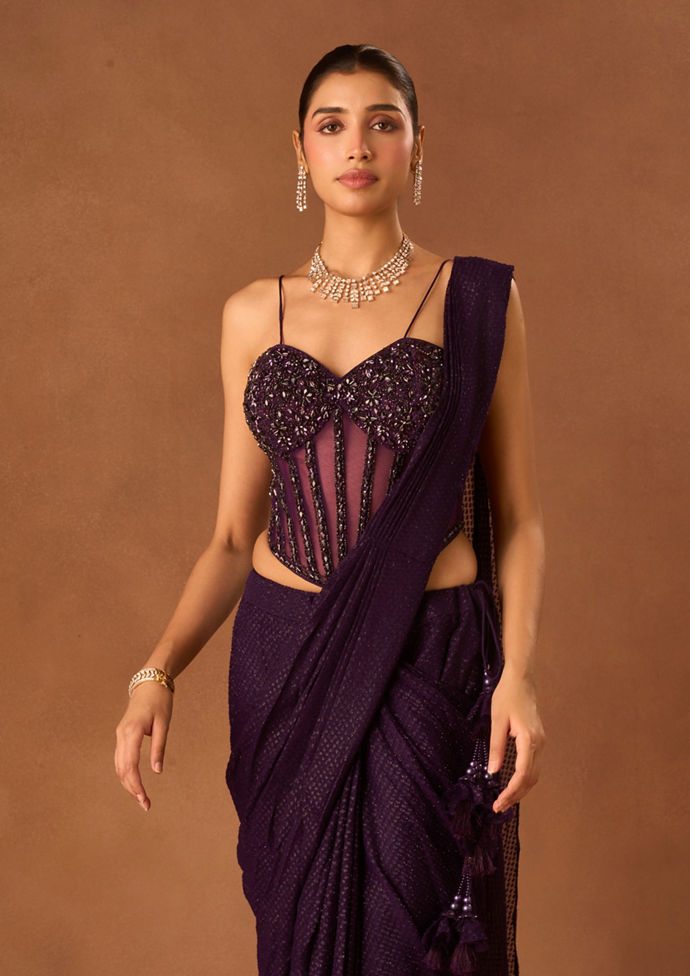
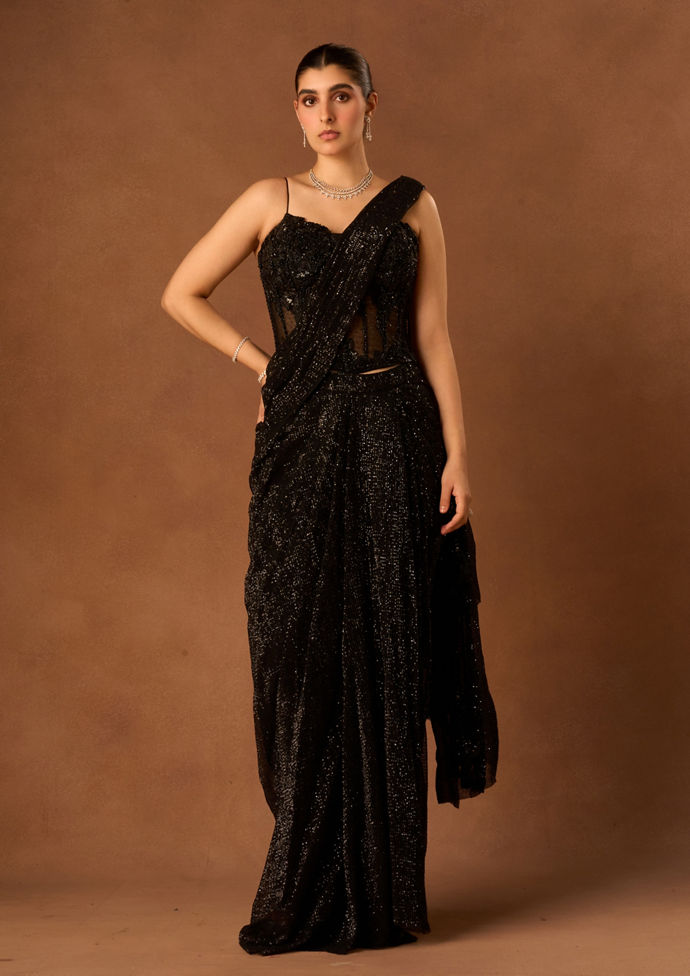
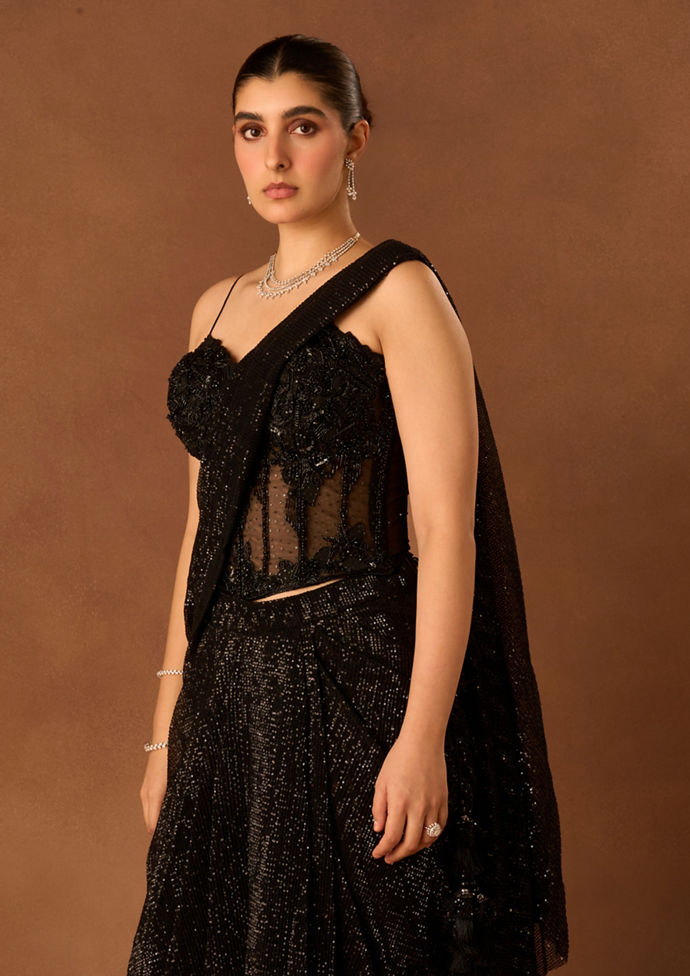
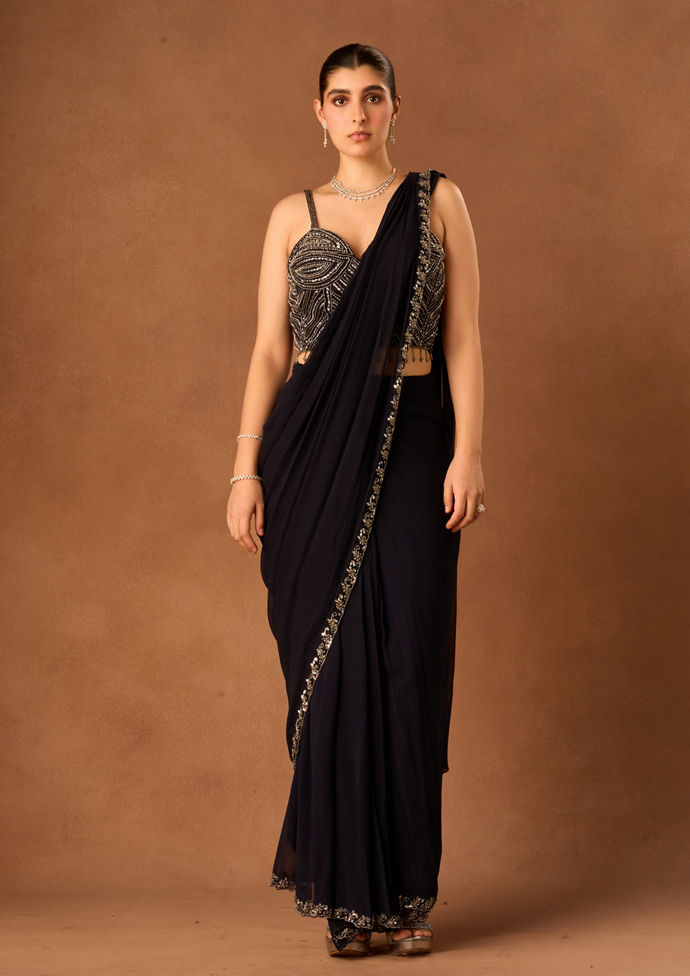
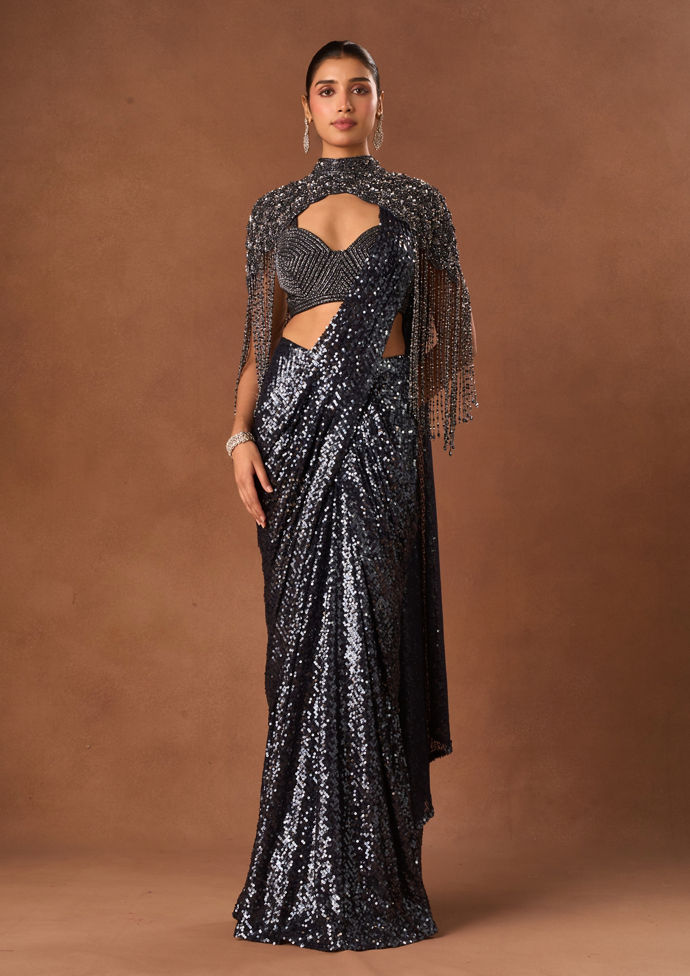
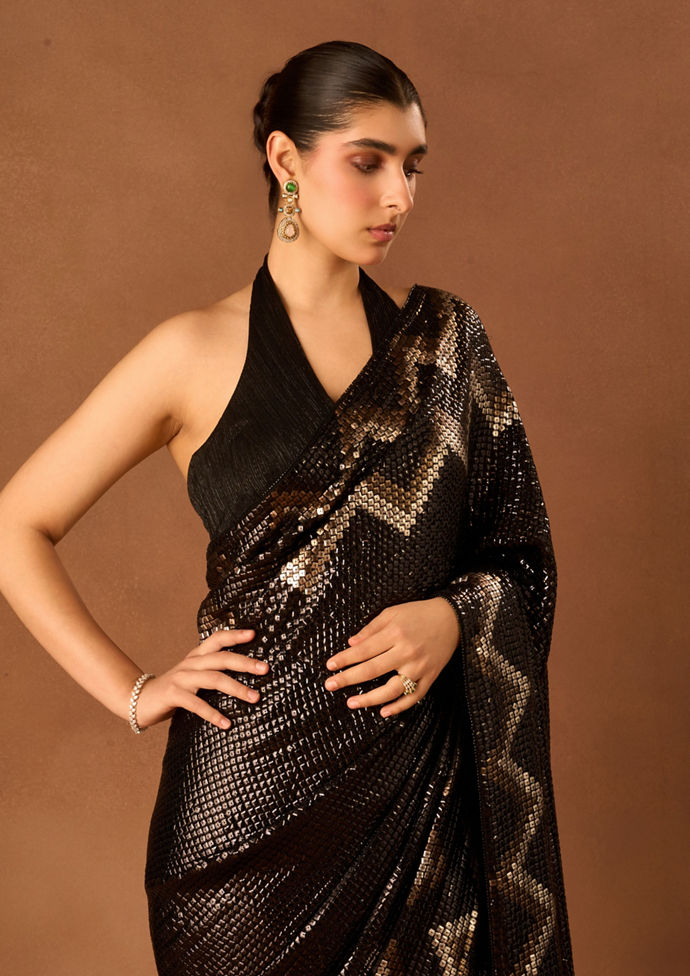
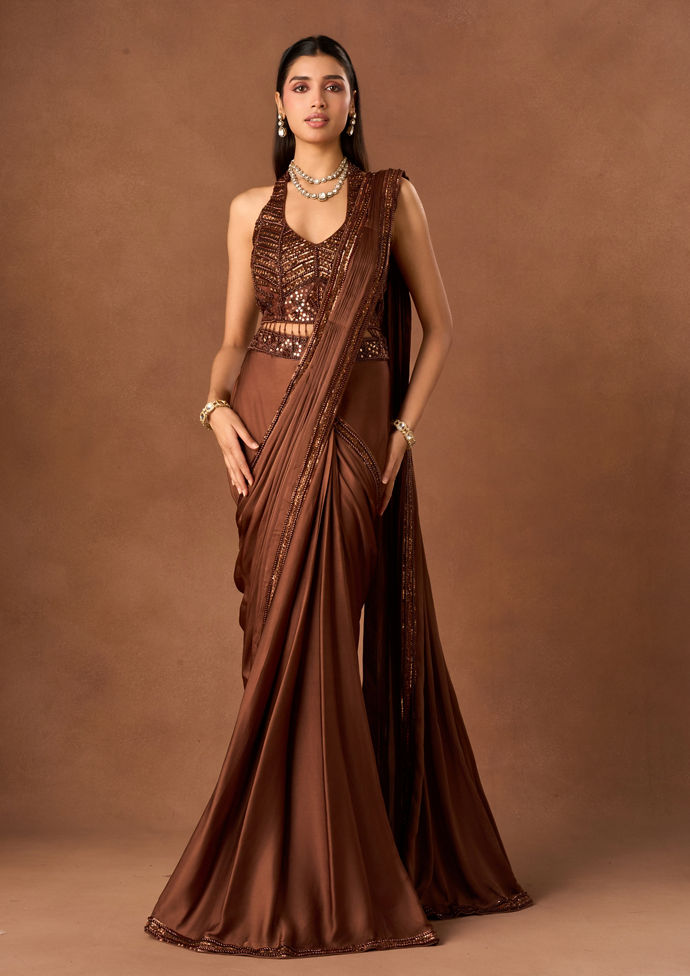
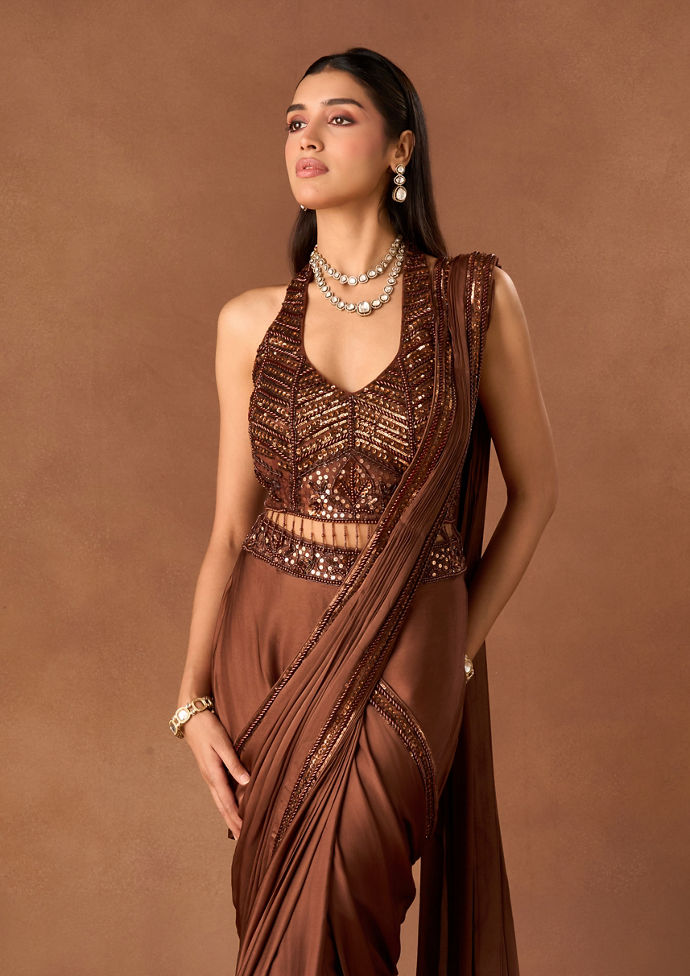
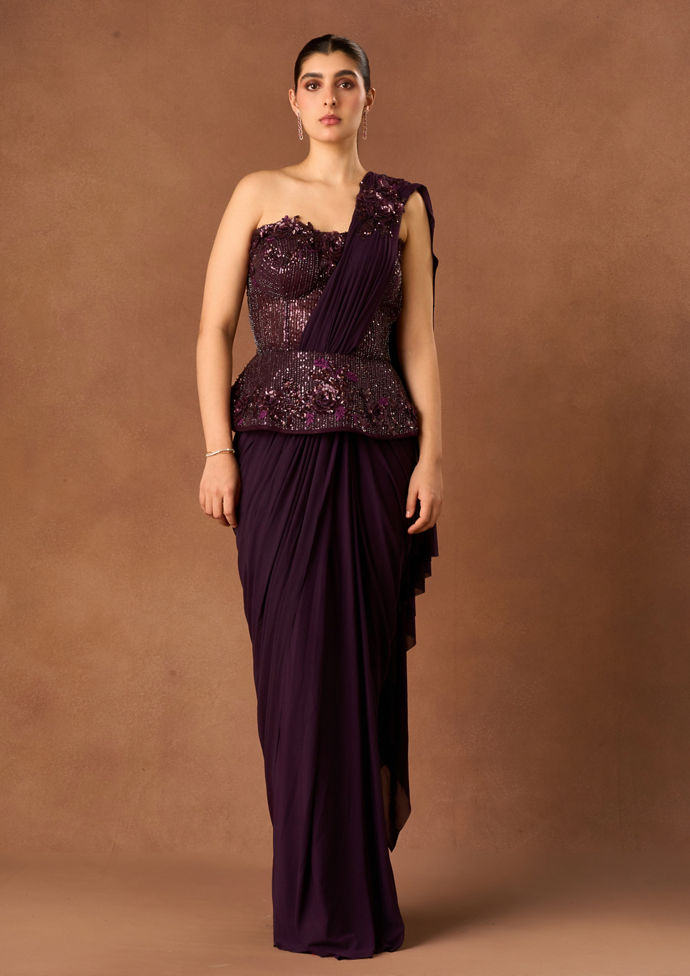
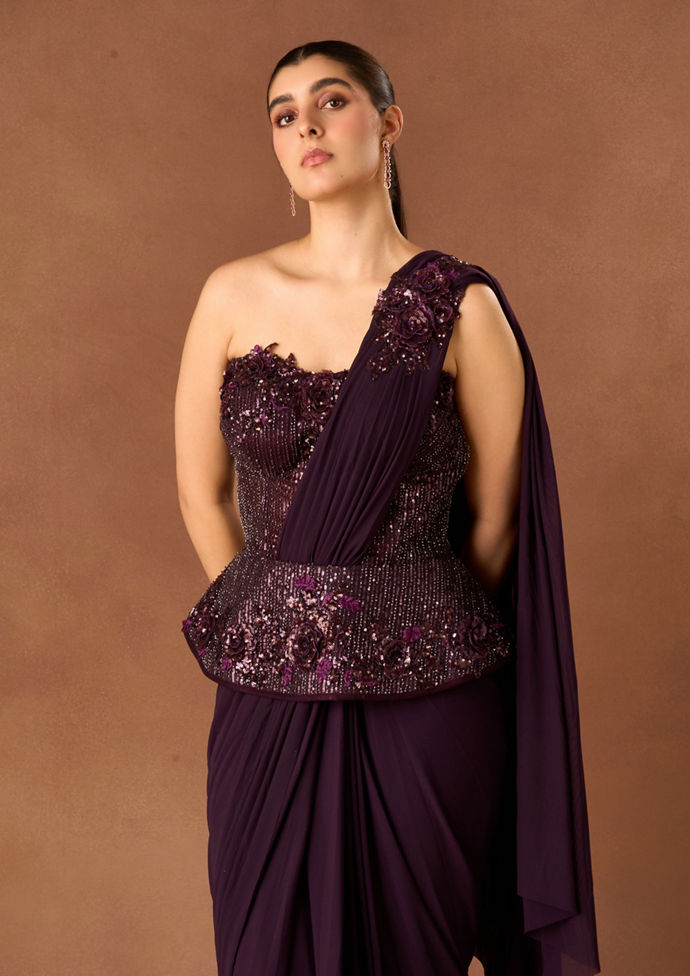
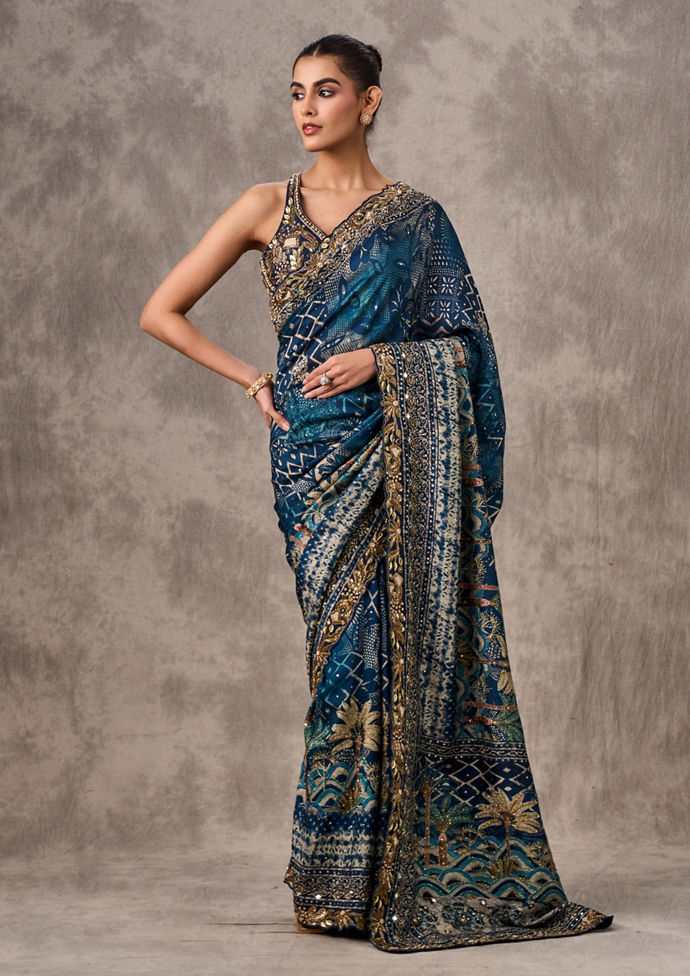
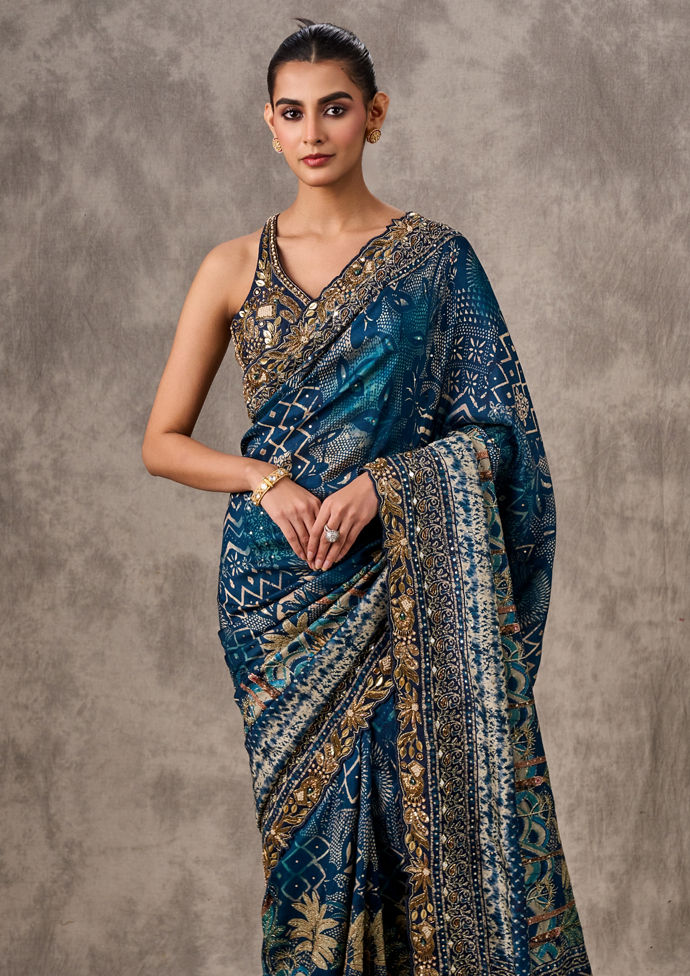
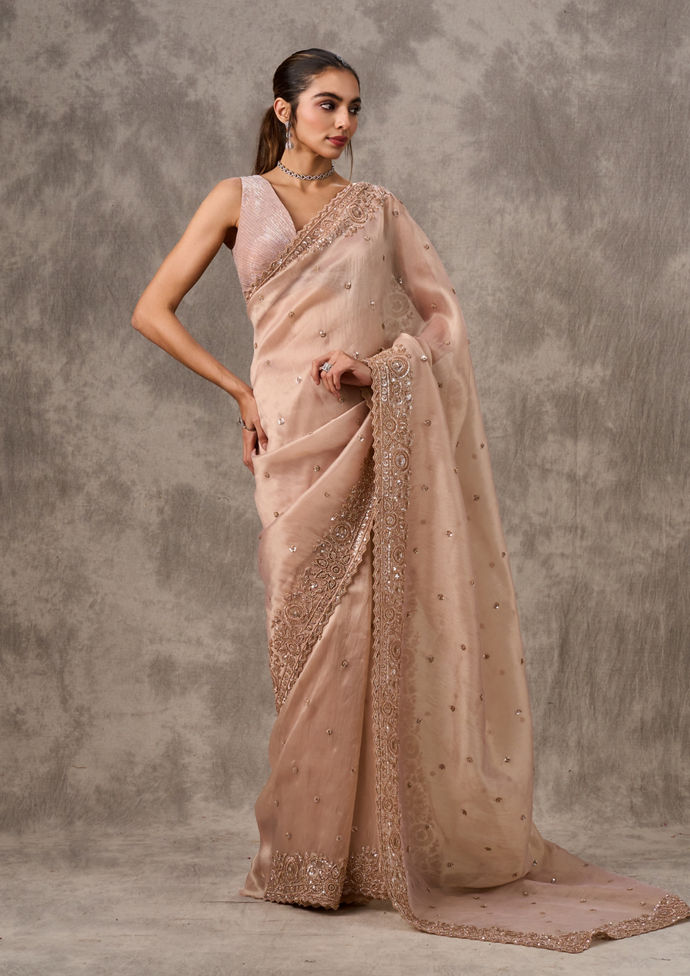
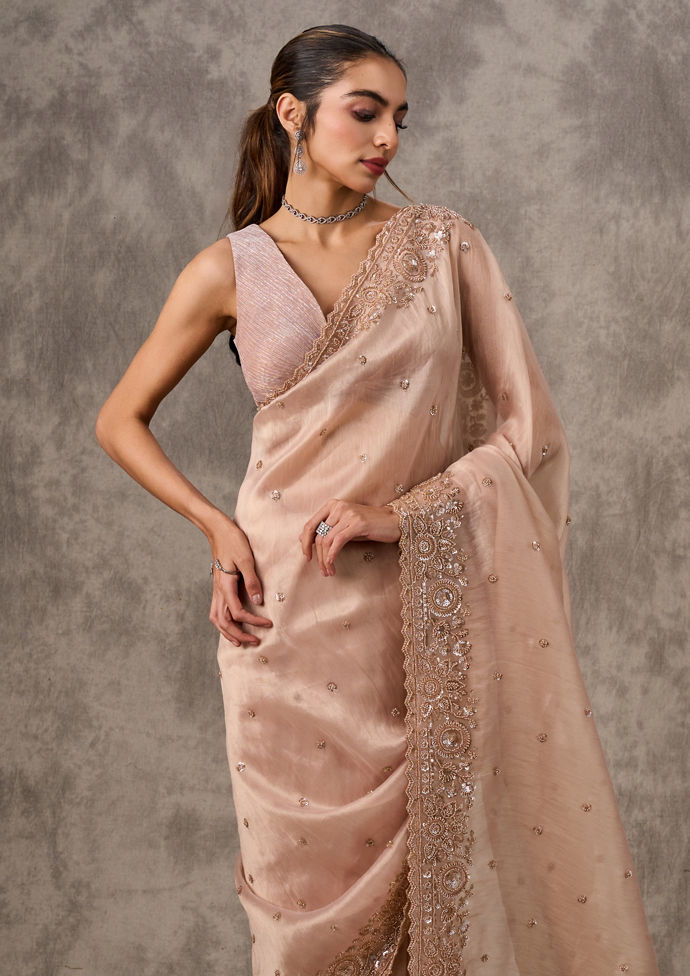
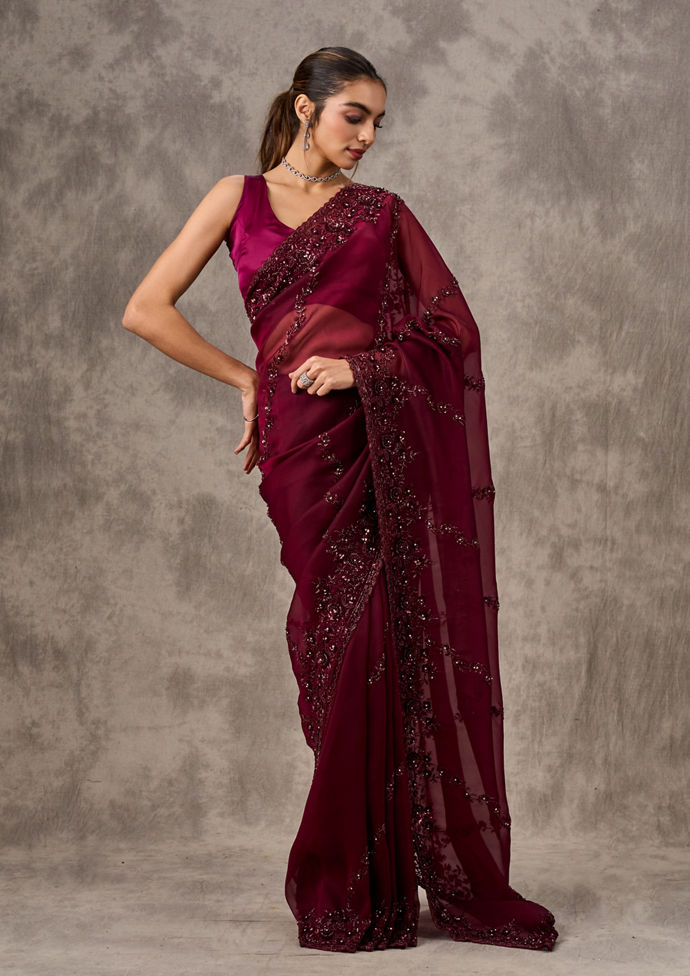
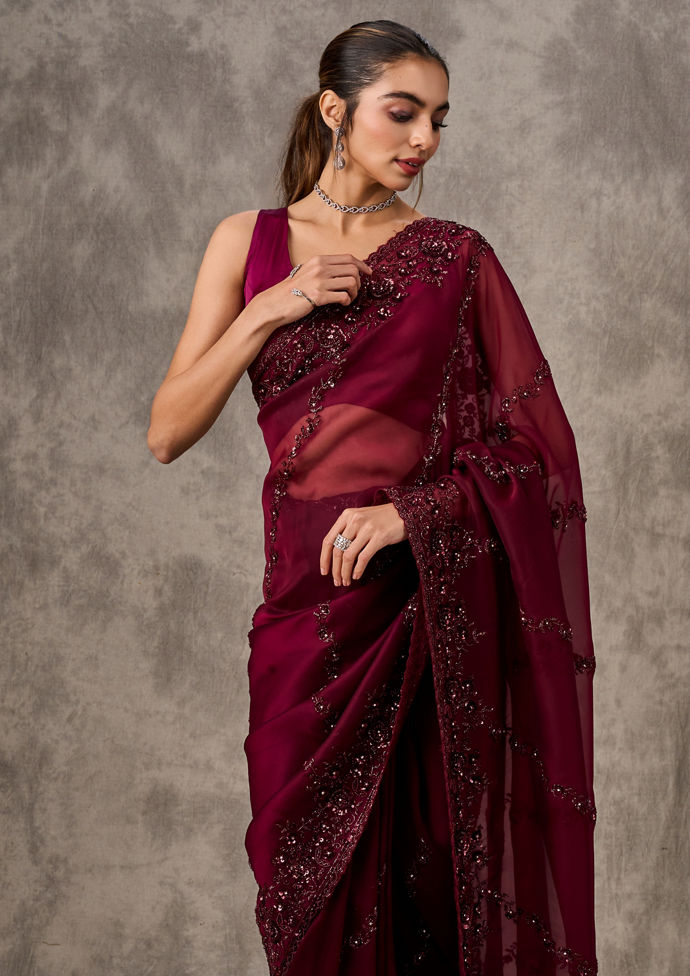
Sequin saree
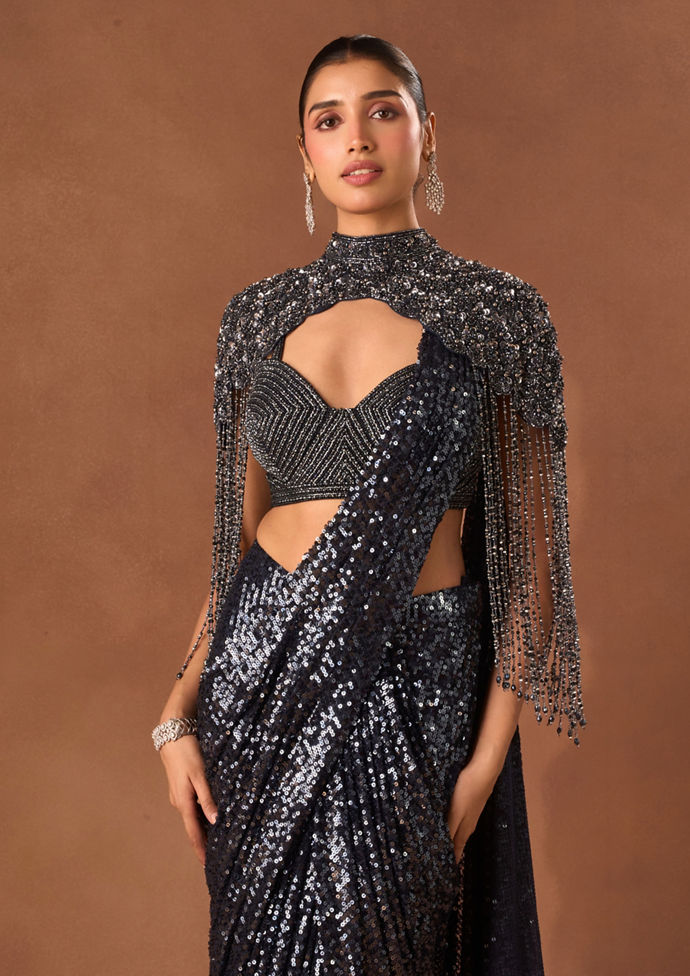
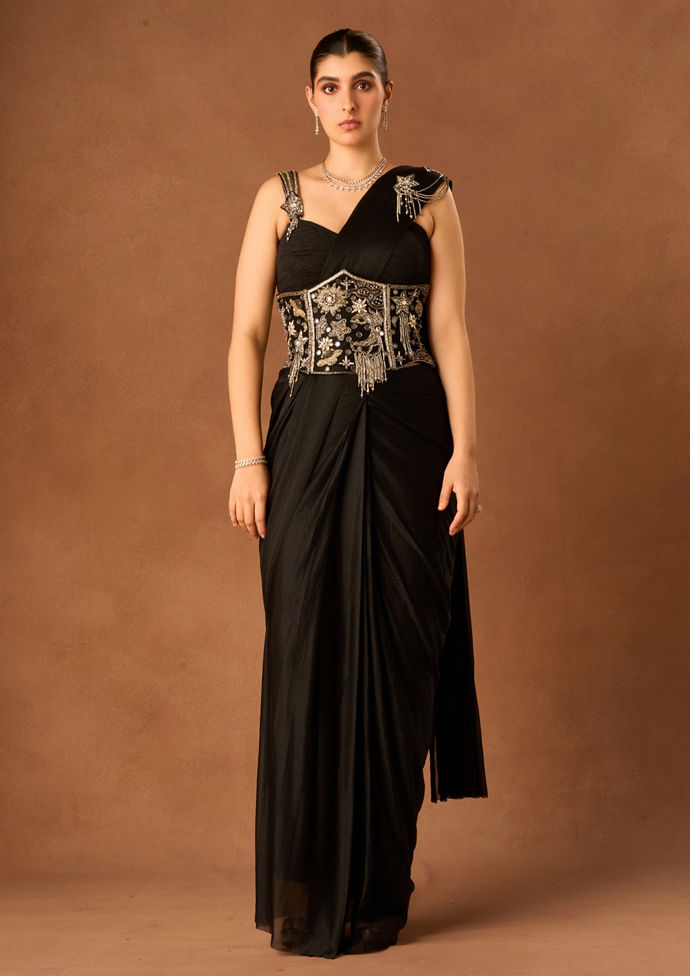
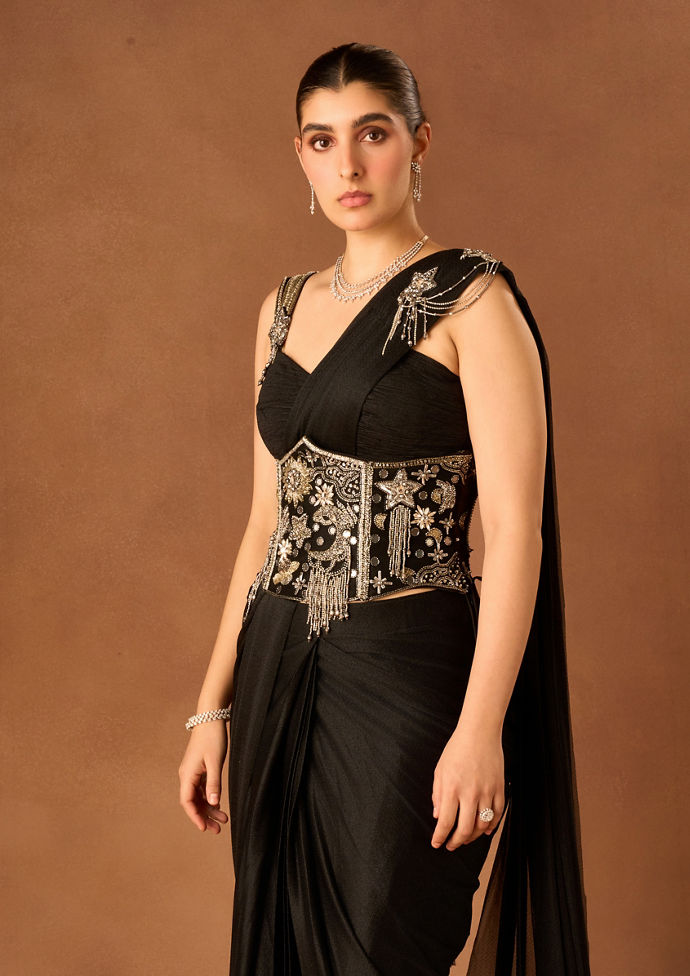
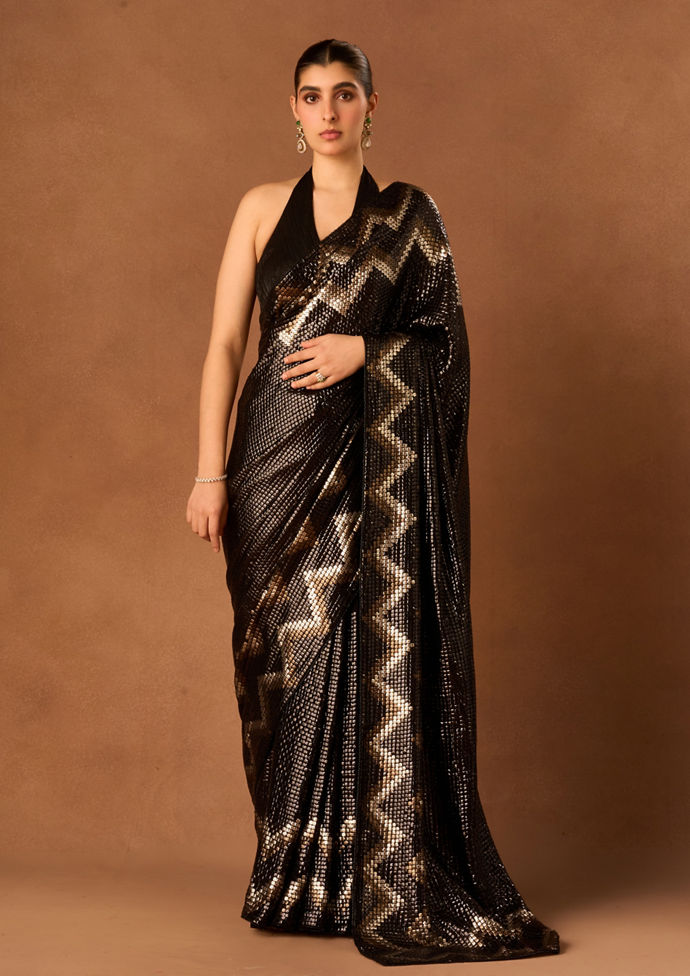
A sequin saree belongs at any occasion with lights, music, and people worth dressing for. whether you are heading to a wedding reception, sangeet, or festive celebration, a sequin saree pairs traditional draping with modern sparkle, a look that's both refined and striking. We craft each piece around one idea: when shimmer is considered and placed with intention rather than scattered randomly, it becomes beautiful to wear.
Sequin sarees work across different occasions and seasons. You'll find them in various fabric bases, silk, organza, and net, each with different weight and drape. Sequin density and placement affect how the saree looks and feels, helping you choose a piece suited to your body and event.
Our collection features designs in colors from classic jewel tones to soft pastels, each with embroidery techniques like zari work and bead detailing. Whether you want a heavily embellished statement piece or something with subtle sequin accents, you'll find options that celebrate your style while honoring the elegance of occasion wear.
What is a sequin saree and why choose one for Indian celebrations?
Definition and appeal for luxury occasion wear
A sequin saree is a traditional six-yard draped garment embellished with sequins, beads, or metallic thread work that catches light and creates shimmer. When embellishment is placed with intention rather than scattered randomly, it becomes beautiful to wear. The appeal lies in how sequins transform a saree into a statement piece for celebrations where the setting demands sparkle and presence.
Why sequin sarees stand out for weddings and formal events?
Sequin sarees combine traditional draping with modern sparkle, making them perfect for weddings, receptions, and formal celebrations. The embellishment density and placement affect both visual impact and comfort, so understanding these details helps you select a piece suited to your body and the occasion. You'll find them in silk, organza, and net fabric bases, which work across different seasons and event types.
Who wears sequin sarees and when
Indian women wear sequin sarees for receptions, sangeet, mehendi, and formal festive occasions where the room has lights, music, and people worth dressing for. They appeal to women who want to celebrate their individuality through luxury occasion wear that honors traditional silhouettes while embracing contemporary elegance.
Which sequin sarees are available in this collection?
Featured sequin saree styles in our collection
Our collection includes several sequin saree designs crafted to suit different preferences and occasions. Each style combines traditional draping with contemporary embellishment, using sequins to create shimmer and visual depth across the fabric. The range spans from subtle accent sequin placement to fully embellished net glitter saree options, allowing you to choose based on how much sparkle suits your event and comfort level. These saree sequin pieces are available in both solid and patterned bases, giving you flexibility in coordinating with your preferred blouse and accessories.
Product specifications and occasion suitability table
The following table outlines key specifications and recommended occasions for each saree style in the collection:
|
Style Name
|
Base Fabric
|
Sequin Coverage
|
Primary Occasions
|
Drape Characteristics
|
|
Classic Net Sequin
|
Net
|
Scattered across body and pallu
|
Weddings, receptions, formal events
|
Flowing, lightweight, breathable
|
|
All-Over Glitter Net
|
Net glitter base
|
Comprehensive coverage
|
Evening celebrations, cocktail events, galas
|
Structured yet graceful, holds shape well
|
|
Accent Sequin Saree
|
Georgette or silk blend
|
Borders and corner placement
|
Festive occasions, family gatherings, semi-formal events
|
Soft drape, easier to manage
|
|
Patterned Sequin Saree
|
Net or silk
|
Motif-based sequin embellishment
|
Celebrations, cultural events, formal dinners
|
Balanced structure and flow
|
Unique benefits of each style for different celebrations
The Classic Net Sequin saree works well for traditional wedding ceremonies where you want understated elegance combined with festive shimmer. Its scattered sequin placement allows the drape to move naturally while catching light during movement, making it suitable for both seated and standing events.
The All-Over Glitter Net saree delivers maximum visual impact for evening celebrations and formal galas. This net glitter saree style ensures consistent sparkle from every angle, making it ideal when you want your attire to be a statement piece. The comprehensive sequin coverage creates depth and dimension that photographs well in indoor lighting.
The Accent Sequin Saree offers practicality for family gatherings and semi-formal events where you want festive appeal without overwhelming shimmer. The border and corner sequin placement draws attention to the saree's structural lines while remaining comfortable for extended wear. This saree sequin option suits daytime and early evening occasions.
The Patterned Sequin Saree combines artistic design with celebratory sparkle, making it ideal for cultural events and formal dinners. The motif-based sequin embellishment creates visual interest through pattern rather than density alone, allowing you to pair it with complementary jewelry without competing visual elements.
How do you choose the right sequin saree for your body type and occasion?
Step 1 Identify your body type and flattering drape styles
Start by understanding how different drapes work with your frame. A saree with vertical sequin patterns can elongate, while horizontal placement adds width. If you prefer a fitted look, choose a saree with structured sequins that hold their shape. For a softer silhouette, opt for scattered or gradient sequin placement that moves with the fabric.
Step 2 Match the saree to your occasion and season
The setting and time of year shape what works best. A heavily sequined saree suits evening events and celebrations, while lighter sequin work fits daytime occasions and summer wear. Winter events can carry denser embellishment without feeling overwhelming, whereas monsoon seasons call for fabrics that dry quickly and sequins that won't tarnish.
Step 3 Consider color and sequin density for your skin tone
Your complexion influences which colors and sequin finishes flatter you most. Warm undertones pair well with gold, copper, and warm jewel tones, while cool undertones shine in silver, platinum, and cool jewel shades. High sequin density works best on deeper skin tones, which can carry bold sparkle. Lighter skin tones often benefit from moderate sequin placement or larger, spaced-out sequins that create dimension without overwhelming the face.
Step 4 Evaluate blouse pairing and jewelry compatibility
Your blouse and accessories complete the look. A heavily sequined saree pairs well with a simple, solid-colored blouse to balance the visual weight. If your saree has moderate sequins, you can choose a blouse with subtle embroidery or texture. Consider your jewelry next, delicate pieces work with intricate sequin patterns, while statement jewelry suits simpler sequin placement.
What key features and styles should you look for in a sequin saree?
Color options and sequin finishes
Sequin sarees come in a wide spectrum of colors, from jewel tones like emerald and sapphire to metallics such as gold, silver, and rose gold. The sequin finish itself varies: flat sequins create a subtle shimmer, while holographic or faceted sequins catch light more dramatically. Some designs use single-color sequins across the entire saree, while others blend multiple metallic tones or pair sequins with contrasting thread work. When selecting a saree sequin style, consider the occasion lighting, stage performances and evening events benefit from high-reflective finishes, whereas daytime celebrations may suit softer, matte-finished sequins. The base fabric color beneath the embellishments also matters; a darker base makes sequins pop, while lighter bases create an airier effect.
Fabric base and weight for draping
The foundation fabric determines how a sequin saris moves and sits on the body. Net and georgette are common bases for sequin sarees because they are lightweight and allow the fabric to drape gracefully despite the weight of embellishments. Silk blends offer a more luxurious feel and better structure, though they tend to be heavier. Cotton-based sequin sarees are more affordable and breathable, making them suitable for daytime or casual celebrations. The weight of the base fabric directly affects draping quality, too light and the saree may cling awkwardly around sequin-heavy areas, while too heavy and it becomes stiff. A net glitter saree, for example, relies on the transparency and fluidity of net to showcase sequin placement without looking bulky. Test the drape by holding a sample or watching how the fabric moves in product videos before purchasing.
Embellishment density and placement
Sequin density ranges from sparse, scattered placement to full coverage, and this choice affects both visual impact and wearability. Lightly sequined sarees with embellishments concentrated on the border and pallu are easier to wear and more versatile for multiple occasions. Densely sequined designs covering most of the saree create a more glamorous, statement-making look but can be heavier and less comfortable for extended wear. Placement patterns also vary, some designs feature sequins only along the edges, others include an all-over pattern, and premium pieces may combine sequins with additional embroidery, beads, or mirror work. Consider the neckline and sleeve area of your blouse when evaluating density; excessive sequins in high-friction zones may snag or shed over time. Asymmetrical or clustered placement often looks more refined than uniform spacing and allows the saree to transition from formal to semi-formal settings.
Price range and quality tiers
Sequin saree quality and cost vary significantly based on fabric type, embellishment technique, and overall construction. Entry-level options use basic net or cotton bases with machine-attached sequins and cost less, making them suitable for first-time buyers or casual wear. Mid-range sarees feature better-quality fabrics such as silk blends or premium net, with hand-finished details and more durable sequin attachment. High-end pieces use silk or silk-like fabrics, incorporate hand-embroidered elements alongside sequins, and employ traditional techniques that ensure longevity. When evaluating value, examine seam quality, sequin security (check for loose or missing sequins), and fabric weight. A more expensive saree sequin design often justifies its cost through better draping, refined embellishment placement, and resistance to wear. Compare offers across sellers before purchasing, as the same design may vary in price depending on seller markup and included services such as stitching or customization.
How do you care for and style a sequin saree for maximum impact?
Washing and storage best practices
Sequin sarees need careful handling to preserve their finish. Hand wash in cool water with mild detergent, working gently to avoid snagging the sequins. Rinse thoroughly and lay flat to dry, never wring or hang while wet. Store folded in a breathable cotton bag away from direct sunlight, which can fade the fabric and dull the sequins over time.
Styling with jewelry and accessories
Let the sequins do most of the visual work. A simple gold or silver necklace complements without competing, and drop earrings frame the face without clashing with the shimmer. Bangles in metallic tones work well; avoid heavy costume pieces that can catch on sequins. A clutch in a solid color keeps the look balanced.
Blouse selection and draping techniques
A fitted blouse in a solid color, gold, silver, or a shade matching the saree base, anchors the look. If your sequin saree is heavily embellished, keep the blouse simple; if the sequins are scattered, a patterned or embroidered blouse can work. For draping, a classic pleated pallu keeps the focus on the sequin work, while a draped shoulder style adds movement without overwhelming the overall effect.
What questions do customers have about sequin sarees before buying?
Can I wear a sequin saree to a daytime event or only evening occasions?
Sequin sarees work for both daytime and evening events. Light sequin placement suits daytime celebrations and family gatherings, while densely sequined styles work better for evening receptions and formal galas.
How do I prevent sequins from snagging or falling off during wear?
Handle your saree gently when draping and keep it away from jewelry or accessories that might catch the sequins. Dry cleaning helps preserve sequin placement and keeps the fabric in good condition.
What is your return and exchange policy for sequin sarees?
We accept returns and exchanges within 30 days of purchase for unworn sequin sarees in original condition. Contact our care team at care@vedantfashions.com to initiate the process. Because sequins require careful handling, we ask that you inspect your saree saris upon arrival and report any damage to sequin placement immediately. Exchanges for different sizes or styles of sequin sarees are processed at no additional cost. For saree sequin items that have been worn or altered, our team will review your request individually to determine eligibility.
How do sequin sarees fit different body types and heights?
Sequin placement and drape affect how a saree looks on your frame. Vertical sequin patterns can elongate your silhouette, while scattered placement works well for different body types. Try a few styles to see what flatters you best.
Can I customize or tailor a sequin saree after purchase?
Yes, you can tailor sequin sarees for blouse fitting and length adjustments. Work with a tailor who has experience with embellished garments so the sequins stay in place during alterations.
Explore Now: Women