Rani Sarees
6 PRODUCTS
Filter

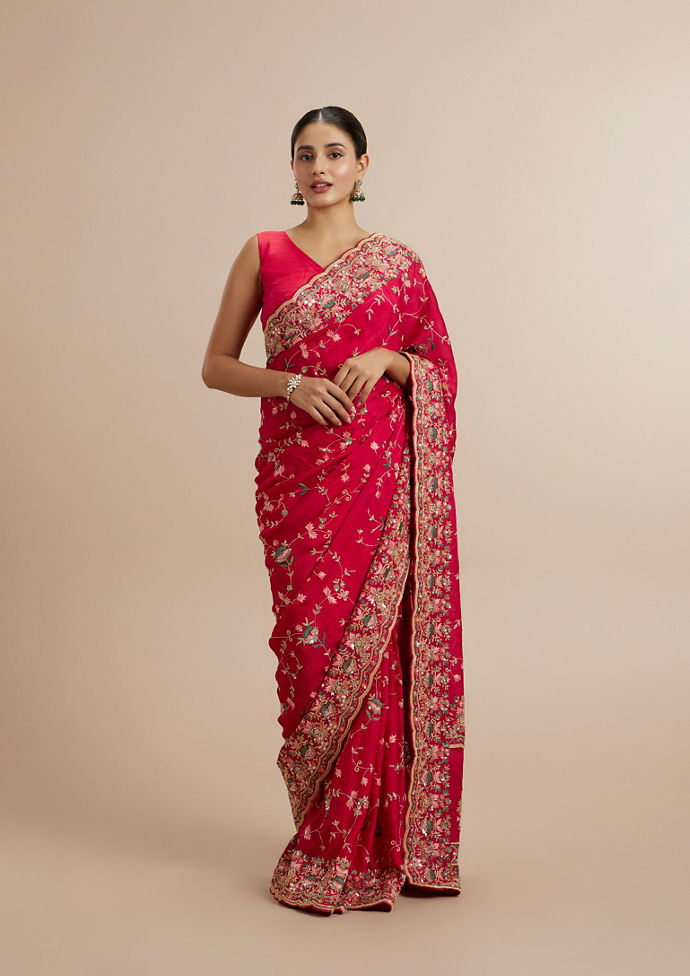
Rani sarees pair traditional embroidery with luxury fabrics for weddings, celebrations, and formal events. The rani colour, a vibrant, regal pink, has marked important occasions in Indian formal wear for generations. When you wear a rani saree, you make a confident statement.
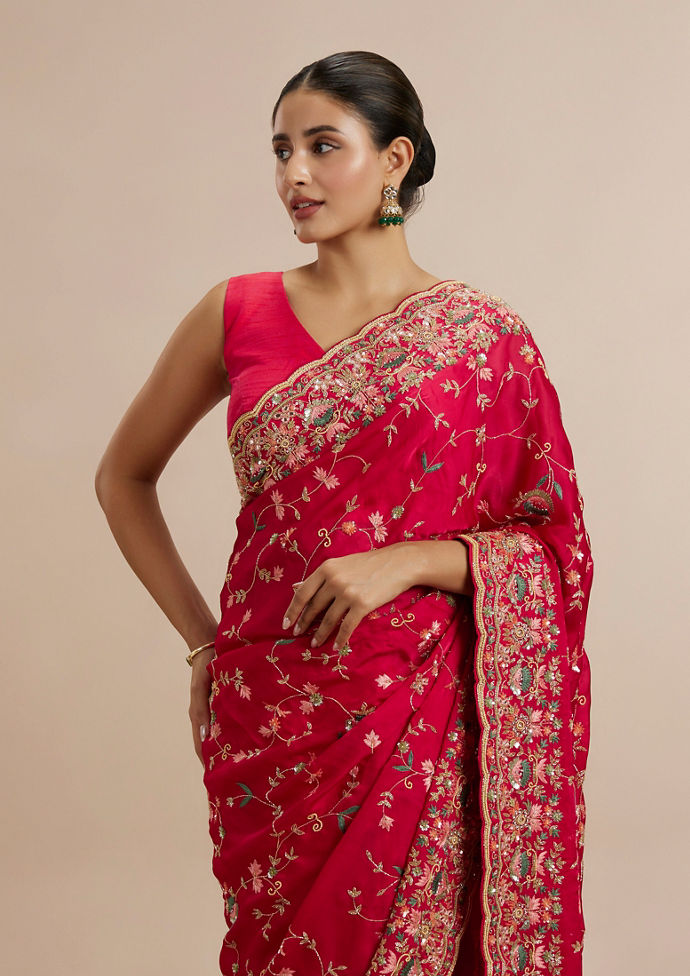
Our collection features hand embroidery in zardozi, resham thread work, and metallic detailing on premium fabrics like organza, chanderi silk, and georgette. These are investment pieces for your most important celebrations, not everyday wear.
Rani pink works across weddings, sangeet events, festive celebrations, and formal gatherings. You can wear it as a bride, as a guest at a reception, or to mark any milestone. Paired with traditional gold jewelry and formal occasion styling, a rani saree elevates your presence.
Rani sarees require dry cleaning to preserve the embroidery, fabric sheen, and longevity. This care reflects their premium construction, they're built to last and maintain their beauty across years of wear.
A rani saree is a luxury occasion wear piece featuring the signature rani pink shade, a deep jewel tone rooted in Indian royal heritage. We craft these sarees with hand embroidery techniques like zardozi and resham thread work on premium fabrics such as organza, chanderi silk, and georgette. The rani colour commands attention at weddings, festive celebrations, and formal gatherings, making it a cornerstone of refined occasion wear collections.
Rani pink has symbolized celebration and elegance in Indian formal wear for generations. This shade works across wedding ceremonies as a bride or guest, sangeet events, and milestone celebrations. The colour pairs naturally with traditional gold jewelry and formal occasion styling, allowing you to make a confident statement at any important gathering.
Rani sarees are investment pieces designed for occasions that matter. Built with refined interplay of materials and artistic craftsmanship, they require dry cleaning only to preserve embroidery, fabric sheen, and longevity. A quality rani saree maintains its beauty across years of wear, making it a lasting addition to your luxury wardrobe.
The collection includes sarees with traditional zari work, mirror embroidery, and hand-embroidered designs. Each variant is crafted to suit different preferences, from minimal embellishment to heavily detailed pieces.
Rani sarees come in lightweight silk for everyday wear and heavier blended fabrics for formal events. The drape varies depending on the base fabric and construction, affecting how the saree sits and moves.
The collection spans multiple tiers, from accessible everyday pieces to premium handcrafted sarees. Each tier reflects different levels of detail, fabric quality, and construction time.
Rani saree length depends on your height and the draping style you prefer. Taller frames typically work well with standard 5.5-meter lengths, while petite wearers may need sarees tailored to 5 meters or adjusted during draping. The pallu, the decorative end piece, can be draped over the shoulder, across the chest, or left to fall at the back, each creating different visual proportions. A heavier, structured pallu suits broader shoulders and adds presence to the face, while a lighter, flowing pallu complements delicate frames and elongates the silhouette. When selecting a rani pink color saree, consider how the pallu's embroidery or pattern placement will frame your upper body; ornate pallus draw attention upward, while simpler designs keep focus on the overall drape.
Wedding ceremonies call for rani pink colour sarees in heavier fabrics like silk or velvet, often with dense embroidery, zari work, or stone detailing that photographs well and conveys formality. Festival wear allows more flexibility, a rani sadi in cotton silk or chanderi works for daytime Diwali or Holi celebrations, while evening festivals benefit from semi-formal silk blends with moderate embellishment. Formal office events or corporate dinners suit rani sarees in matte finishes with minimal pattern, paired with a structured blouse and simple jewelry to maintain professional polish. Cocktail parties and evening gatherings can accommodate rani sarees with metallic accents, modern draping techniques, or asymmetrical pallus that signal contemporary styling. Matching the saree's weight and sheen to the event's formality level ensures you neither underdress nor appear overdone.
Lightweight fabrics like cotton, linen blends, and chanderi suit warm climates and casual daytime events, allowing free movement and breathability without restricting the drape. Silk and silk-cotton blends offer moderate weight with a lustrous finish, ideal for most occasions and body types since they hold pleats well without feeling heavy. Velvet and heavy silk are reserved for winter celebrations or evening events when you want structured volume and formal presence; these fabrics demand confident draping and can feel restrictive in humidity. Georgette and chiffon create fluid, elegant drapes but require careful pinning to prevent slipping, making them better suited to experienced wearers. When choosing a rani pink saree, test the fabric weight, heavier fabrics showcase embroidery more prominently, while lighter ones emphasize brightness and airiness.
A matching rani blouse creates a monochromatic, elongating effect that suits most body types and occasions, especially when the blouse features contrasting embroidery or a different neckline. Contrasting blouses in gold, cream, or deep jewel tones like emerald or sapphire create visual separation and allow the rani saree's color to dominate; these work well for wedding and festival wear. Metallic blouses in gold or copper complement rani sarees beautifully, adding warmth and formality without competing for attention. Blouse neckline choice matters as much as color, a deep V-neck or boat neck suits broader shoulders, while a high round neck or halter neck flatters delicate frames. Sleeve length and design also affect the overall look; full sleeves add formality and coverage, while sleeveless or short-sleeved blouses feel modern and work better in warm weather. When pairing with a rani sadi, ensure the blouse's embellishment density matches or complements the saree's pattern to avoid visual imbalance.
Bridal rani sarees need fabrics that hold their shape and embroidery that stands out. We make these in organza and raw silk with zardozi detailing in gold and ivory metallic thread. They're designed to look beautiful in photos and drape well through the ceremony and reception.
Festival wear in rani pink works for sangeet, Diwali, and family celebrations. These sarees mix formality with comfort, often in chanderi silk or georgette with resham threadwork in matching shades. The fabric lets you move and breathe during longer events.
Formal evening occasions call for rani sarees with refined embellishment and quality drape. Velvet and silk blends with subtle zari buti work or bead detailing offer understated luxury for galas and high-profile social gatherings.
Zari work uses metallic gold and silver thread for traditional richness. Resham threadwork gives softer, artistic detail in multiple colours. Stone and bead embellishment adds contemporary sparkle. Each technique shapes how suited the saree is to different occasions and its overall look.
Lightweight rani sarees in georgette work well for warm-weather events and all-day wear. Heavy-drape pieces in organza and raw silk with dense embroidery suit milestone ceremonies where visual impact counts. Fabric weight affects how comfortable you'll be, how the saree falls, and which occasions bring out its best.
Rani sarees benefit from gentle hand washing in cool water with mild detergent designed for delicate fabrics. Avoid wringing or twisting the fabric; instead, rinse thoroughly and lay flat or hang to dry away from direct sunlight, which can fade the vibrant dye. Store your saree folded in acid-free tissue paper inside a breathable cotton bag to prevent moisture buildup and dust. Keep it in a cool, dry place away from heat sources and humidity.
Genuine rani-dyed sarees display a consistent, deep color throughout the weave with no patchy fading or uneven tones. Run your fingers across the fabric, authentic pieces feel smooth and have a natural sheen rather than a stiff or plastic-like finish. Check the selvage (the finished edge) for tight, even weaving. Real rani dye may bleed slightly in the first wash, which is normal; synthetic dyes often do not. Examine the fabric weight and drape; quality rani sarees have substantial body without feeling heavy, and they move fluidly when worn.
For sarees with intricate embroidery, metallic threads, or delicate embellishments, professional dry cleaning by someone experienced with traditional textiles is worth the investment. Inform the cleaner about the rani dye and any special details so they can use appropriate solvents and techniques. Between professional cleanings, air your saree in indirect sunlight for a few hours to refresh it and prevent odors. If you notice loose threads or small tears, have them repaired promptly by a tailor familiar with saree construction to prevent further damage.
Rani sarees work well for weddings, sangeet events, festive celebrations, and formal social gatherings. The colour's depth makes it a natural choice for milestone moments where you want to make an impression.
Rani pink is deeper and more jewel-toned than standard pink, with intensity closer to magenta but warmer undertones. It reads as formal and celebratory rather than soft or pastel.
A matching rani blouse creates an elegant, elongating effect. Contrasting gold, cream, or emerald blouses add visual interest. Choose necklines based on your frame: deep V-necks suit broader shoulders, while high round necks work well for delicate builds.
Dry clean only to preserve zardozi, resham thread work, and metallic detailing. Store in acid-free tissue inside a breathable cotton bag away from direct sunlight and humidity to maintain the colour and embroidery.
Yes. Rani pink complements most skin tones because of its jewel-tone depth. Adjust pallu draping and blouse style to flatter your frame: heavier pallus suit broader shoulders, while lighter ones elongate delicate silhouettes.
Rani sarees vary depending on fabric quality, embroidery technique, and craftsmanship. Compare options across retailers to find pieces that match your needs and quality expectations for occasion wear.
Explore More Collection: Lehenga For Women
Rani Sarees Price List
Rani Sarees
Price (₹)
Rani Pink Georgette Brocade Zari Buti Woven Saree
$ 1,010
Rani Pink Silk Brocade Embroidered Saree
$ 505
Rani Pink Georgette Multicolour Floral Resham Embroidered Saree
$ 1,010
Rani Pink Georgette Zari Buti Woven Embroidered Saree
$ 455
Rani Pink Georgette Zardosi Bead Work Draped Saree
$ 935
Rani Pink Georgette Buti Resham Embroidered Saree
$ 455




Login to access Twamev Member Exclusive Features like Video Commerce
Enter the email address associated with your Manyavar account
We’ll ask for this password whenever you sign in